
News22

Guide posts tranex

Guide posts for roadworks: choosing the right solution for Australian conditions 

By blog, News

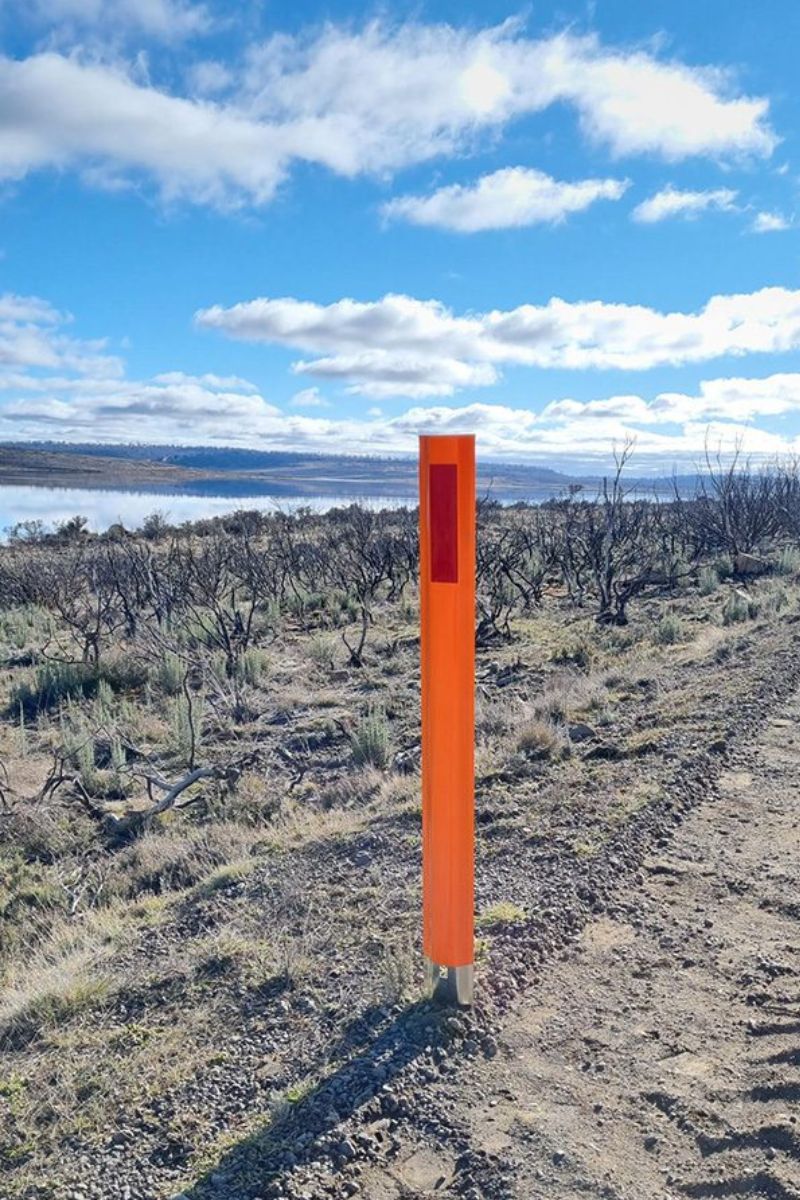
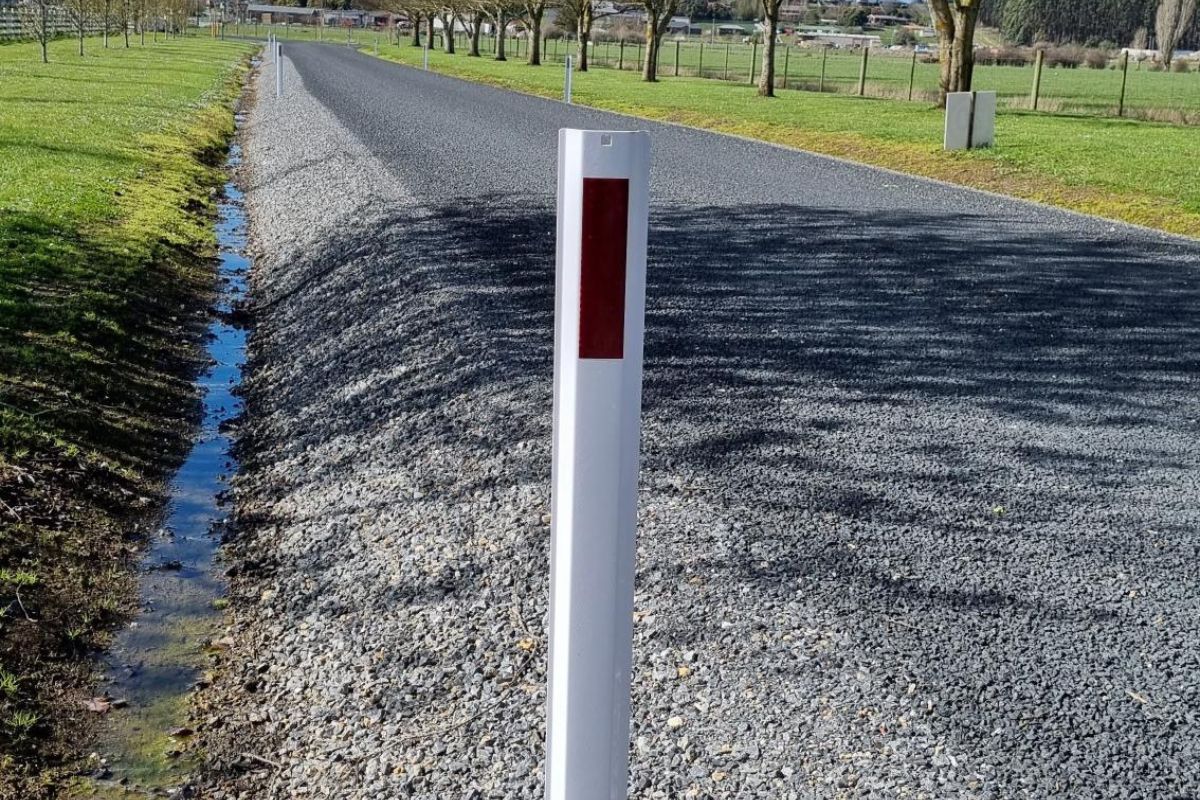
Guide posts for roadworks do a quiet but important job. They define the road edge and help drivers navigate through unfamiliar conditions while keeping crews safe. During roadworks, especially, the right guide post can mean the difference between a driver feeling confident and one who isn’t quite sure where the road ends.

Across Australia, road conditions vary significantly. Busy regional highways and alpine environments that see genuine snowfall both demand something a little different from the same product. Getting the right post sorted early in the planning process means fewer headaches down the track and better outcomes for everyone, from the construction crew to the commuter who drives through at midnight.

Why guide posts matter in roadworks

When roadworks change a familiar route, drivers lose their usual reference points. Shifted lanes and temporary conditions create real uncertainty, particularly where lighting is limited or the layout feels unfamiliar. Guide posts bring back that sense of clarity. They tell drivers where the road is going, even when everything else looks a bit different.

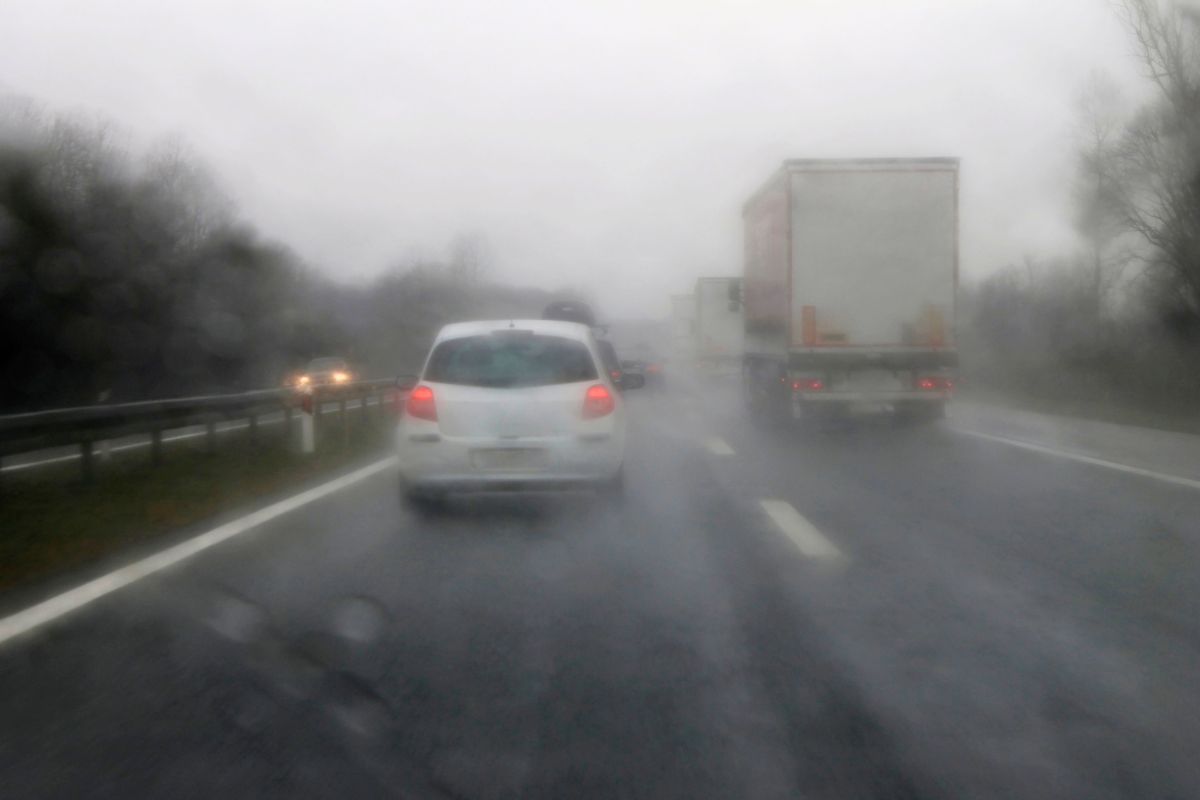
On rural roads, this becomes even more critical. There are no street lights and often no second chances if a driver misjudges the edge. A well placed, clearly visible guide post in heavy rain or on a moonless night can prevent an accident. They also help maintenance teams locate infrastructure quickly, which reduces disruption and keeps projects running efficiently.

Manufactured in house for consistent quality

There is a meaningful difference between guide posts that are manufactured in house and those that are not. In house production gives manufacturers direct control over materials and quality, which means posts can be built to actually suit Australian conditions rather than simply meeting a minimum standard on paper.

It also creates room to adapt. Some sites need posts that are taller or mounted differently based on terrain or that have greater visibility for low light or snowy conditions. Having that flexibility means the final product is genuinely fit for purpose. And when a project is running to a tight deadline, reliable lead times matter just as much as the product itself.

Features across our range of guide posts for roadworks

With every product manufactured in house, the Tranex guide post range is built to perform across the full range of Australian conditions.

  • Anti-wind design built to stay in place 
  • High-gloss, self-cleaning surface that resists dust and moss build-up, reducing maintenance over the life of the post
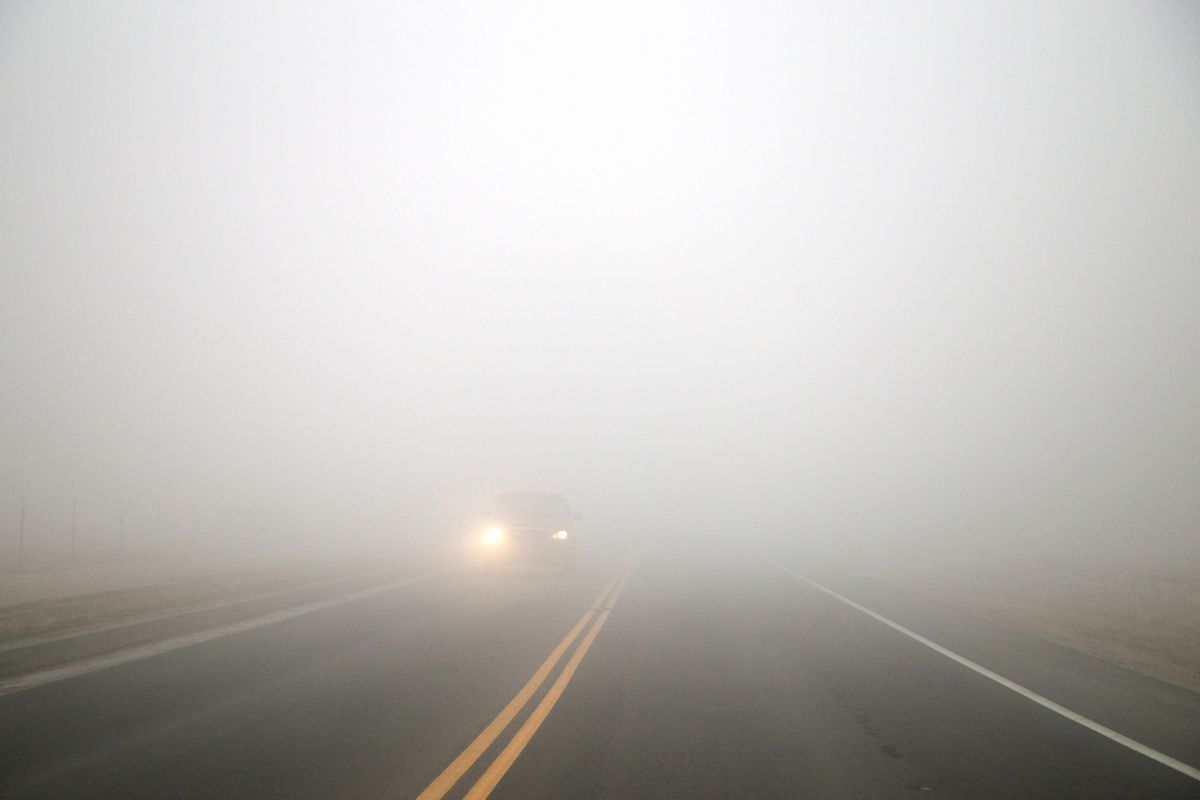
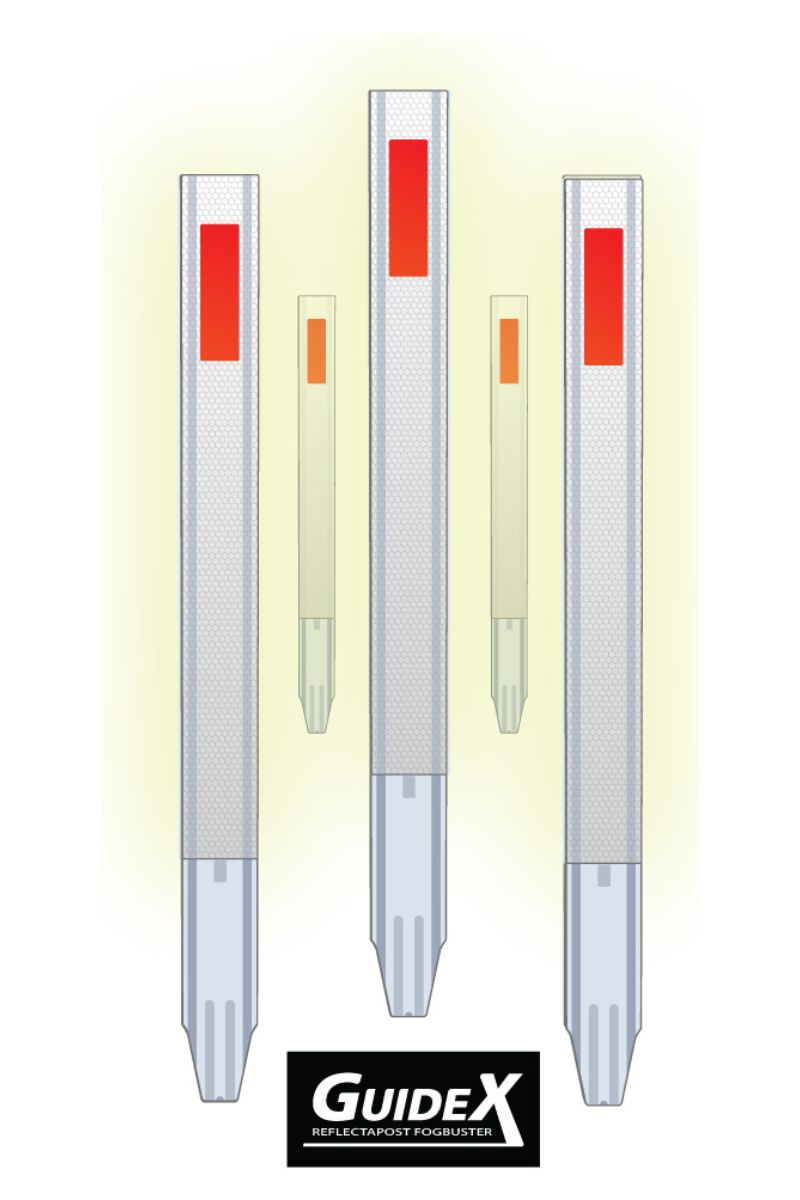
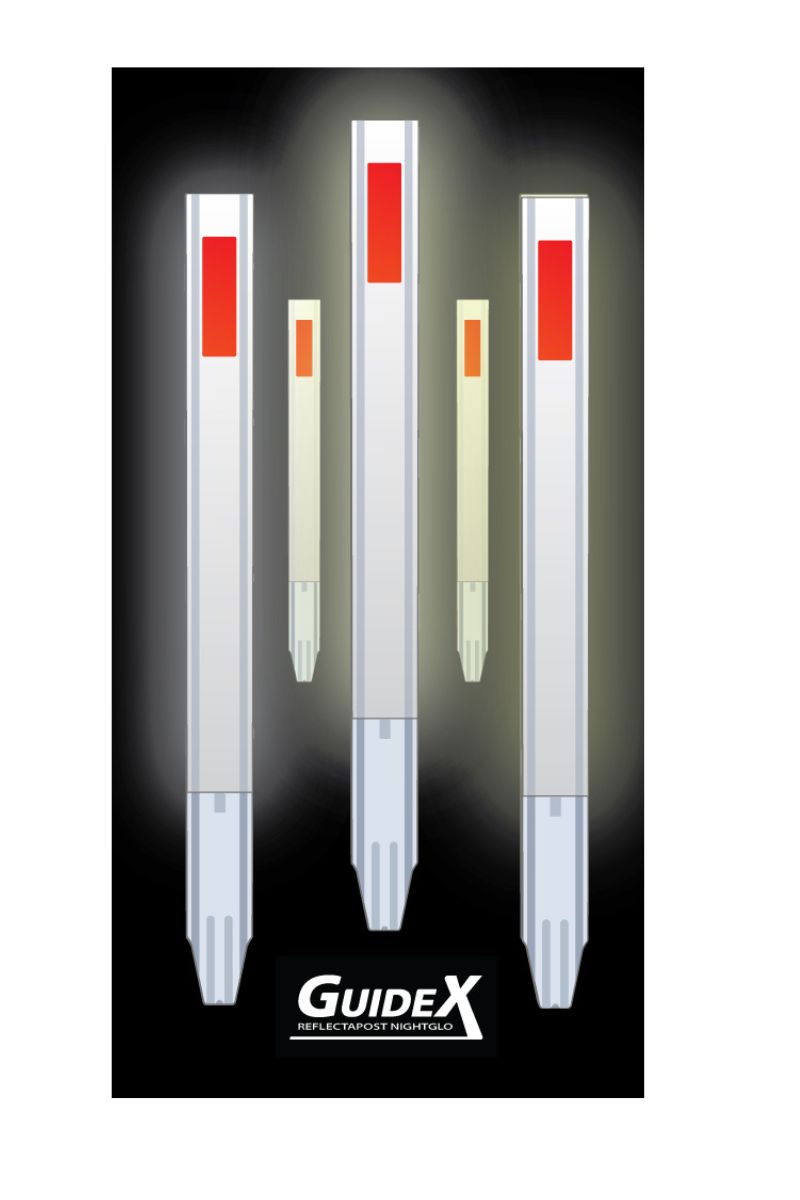
  • High reflectivity for clear visibility, through our patented fully reflectorised technology engineered to perform in fog, rain and low light conditions
  • UV stabilised, which holds up against the intensity of the Australian sun
  • Available in uPVC and steel to suit the installation environment and project specification
  • High tensile strength that allows the post to be easily driven into the hardest road base using the unique Guidepost Slammer Tool
  • Purpose-built options across the range for work zones, service marking and asset identification

Planning for winter and snow conditions

Alpine roads and colder climates present their own challenges. Snow can obscure a standard post entirely, and when you combine that with shortened daylight hours, navigation on a regional road becomes genuinely difficult.

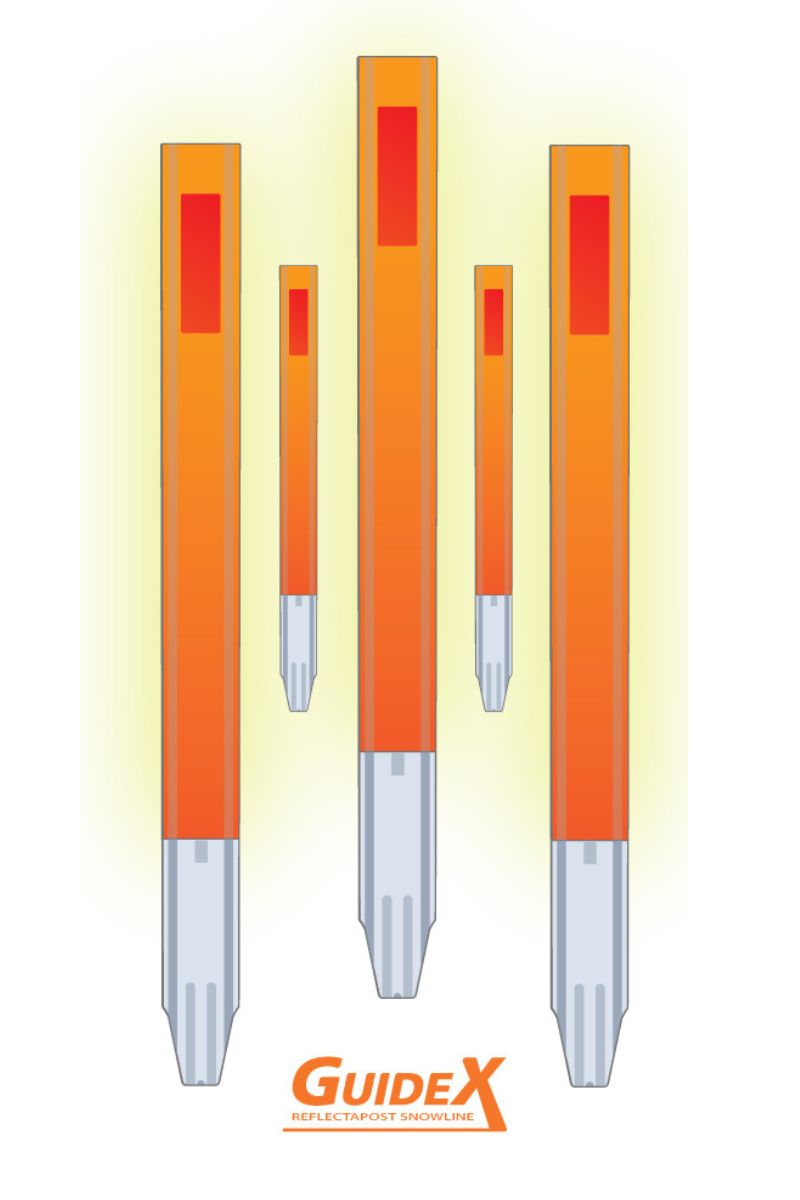
This is exactly the problem our SnowLINE guide post was designed to solve. Built specifically for snowy areas, it delivers up to 20 times the visibility of standard markers through fully reflectorised fluorescent orange sheeting across the entire surface. The mistake many project teams make is treating winter conditions as something to sort out later. Factor it in at the beginning and the road stays clearly defined all year round.

Compliance with Australian Standards

Australian Standards exist for good reason. They create consistency across the network so that roads feel predictable and readable for drivers everywhere. When guide posts meet reflectivity and durability requirements, they hold up over time regardless of weather or wear. And most importantly, they exist to keep both drivers and crews seen and safe. 

Planning for compliance from the start avoids the frustration of replacing non compliant products mid project. It keeps things moving and reduces the kind of unexpected costs that nobody budgets for but everyone ends up dealing with.

Getting it right from the start 

Guide posts support safety and consistency across an enormous range of conditions. Choosing the right solution means drivers can read the road clearly and infrastructure teams can do their work without unnecessary complications or safety risks.

That kind of outcome does not happen by accident. Tranex has spent over 40 years working alongside independent contractors, local governments and civil construction teams across Australia and New Zealand. That experience shapes how every product is made and what it is made to do. It also means the team understands what compliance actually looks like in practice, not just on paper, because every product aligns with national codes and state and territory regulations. Quality is backed by ISO 9001 certification, which sets a clear benchmark for durability and effectiveness. These are not credentials collected for appearances. They reflect a genuine commitment to doing things properly.

Guide posts for roadworks are a small part of the picture that carries a lot of weight. Working with a supplier who understands Australian conditions, meets the relevant standards and has the experience to back it up makes that part of the job a lot simpler.

Explore Tranex’s guide post range here


Read Next

Frangible sign structures for high-speed roads: why they matter on state and government projects

5 common mistakes when buying traffic management equipment (and how to avoid them)

Safety signage best practices for safer workplaces and public spaces
 

Frangible Sign Posts for Highways

Frangible sign structures for high-speed roads: why they matter on state and government projects

By blog, News

When you’re installing signage on a 100km/h road, you’re not just putting a post in the ground. You’re placing infrastructure into a high-speed, high-risk environment, and that includes the support structure beneath the sign itself.

Frangible sign structures are designed specifically for these conditions. At Tranex, we work alongside contractors, councils and state government departments delivering signage into regional highways and state-managed corridors, where the safety conditions are different. Traffic moves faster, heavy vehicles are common, and the consequences of roadside impact are more severe.

Frangible supports may not look any different to drivers, but they play an important role in how roadside infrastructure behaves if a collision occurs. 

In this blog, we’ll explore why frangible sign posts are critical on high-speed roads and where they’re most commonly used.

What are frangible sign structures?

A frangible sign structure is designed to break away in a controlled manner if struck by a vehicle.

Instead of behaving like a rigid obstacle, the support system is engineered to reduce the force transferred during impact. It’s part of a broader road safety approach, one that considers not just visibility and compliance, but what happens in a worst-case scenario.

The goal isn’t to eliminate risk but rather reduce impact severity where possible. On high-speed roads, that matters.

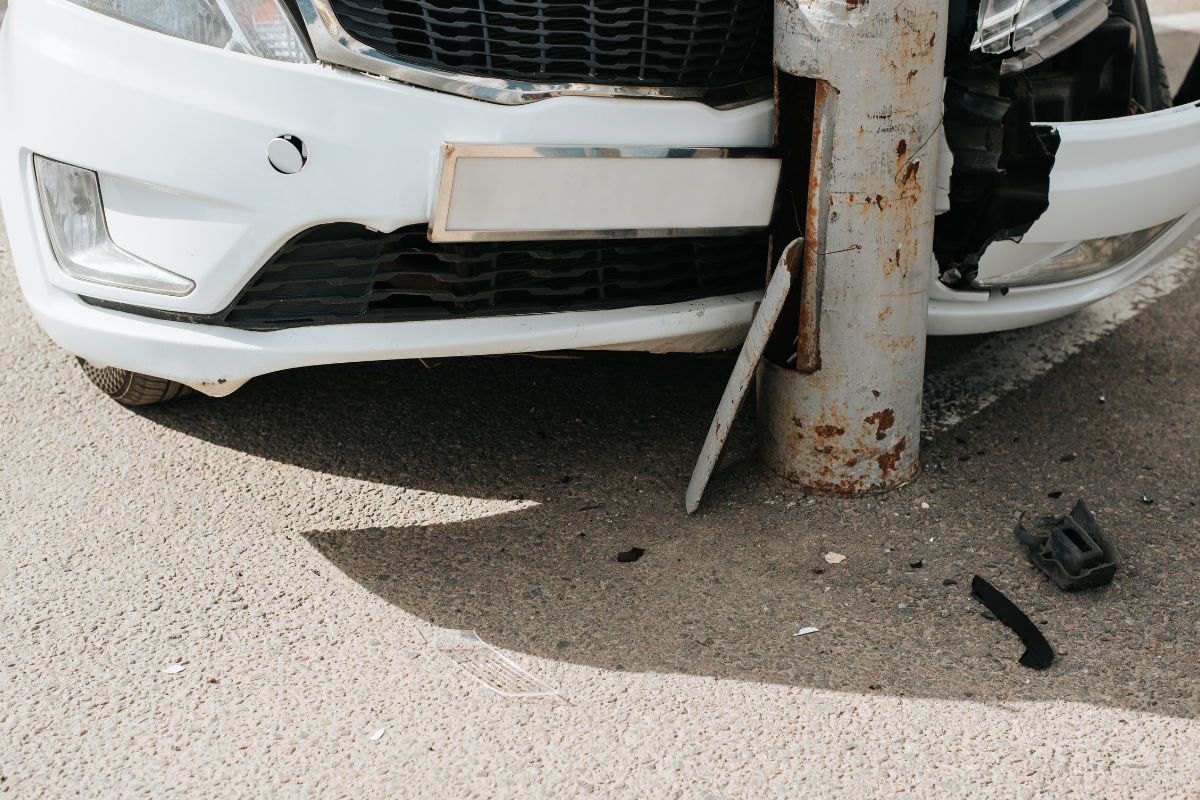
Frangible Sign Structures demo of car hitting pole

Why frangible sign supports are critical on 100km/h roads

Speed changes everything. At 100km/h, the impact involved in a collision is significantly greater and drivers have less time to correct mistakes. On state highways and regional freight corridors, vehicles move quickly and often over long distances. Heavy transport is part of daily traffic flow, and factors like wildlife or fatigue are real considerations. 

In these environments, roadside infrastructure plays a critical role in overall safety outcomes. If a vehicle leaves the carriageway at 100km/h, rigid posts can increase injury severity and damage to the vehicle. Frangible systems are designed to respond differently to reduce overall impact.


MASH-approved frangible sign structures: what it means

MASH stands for Manual for Assessing Safety Hardware. It’s the recognised testing standard used to assess how roadside safety hardware performs during vehicle impact.

In practical terms, MASH testing evaluates how a structure behaves when struck at speed, including vehicle stability and occupant risk.

For frangible sign structures, MASH approval provides confidence that the system has been independently tested under high-speed conditions. That’s why it’s commonly required,  or strongly expected on:

  • State road projects
  • Major transport corridors
  • 100km/h regional highways
  • Government infrastructure programs

Where frangible sign structures are typically used

You’ll most often see frangible supports used for:

  • Large directional guide signs
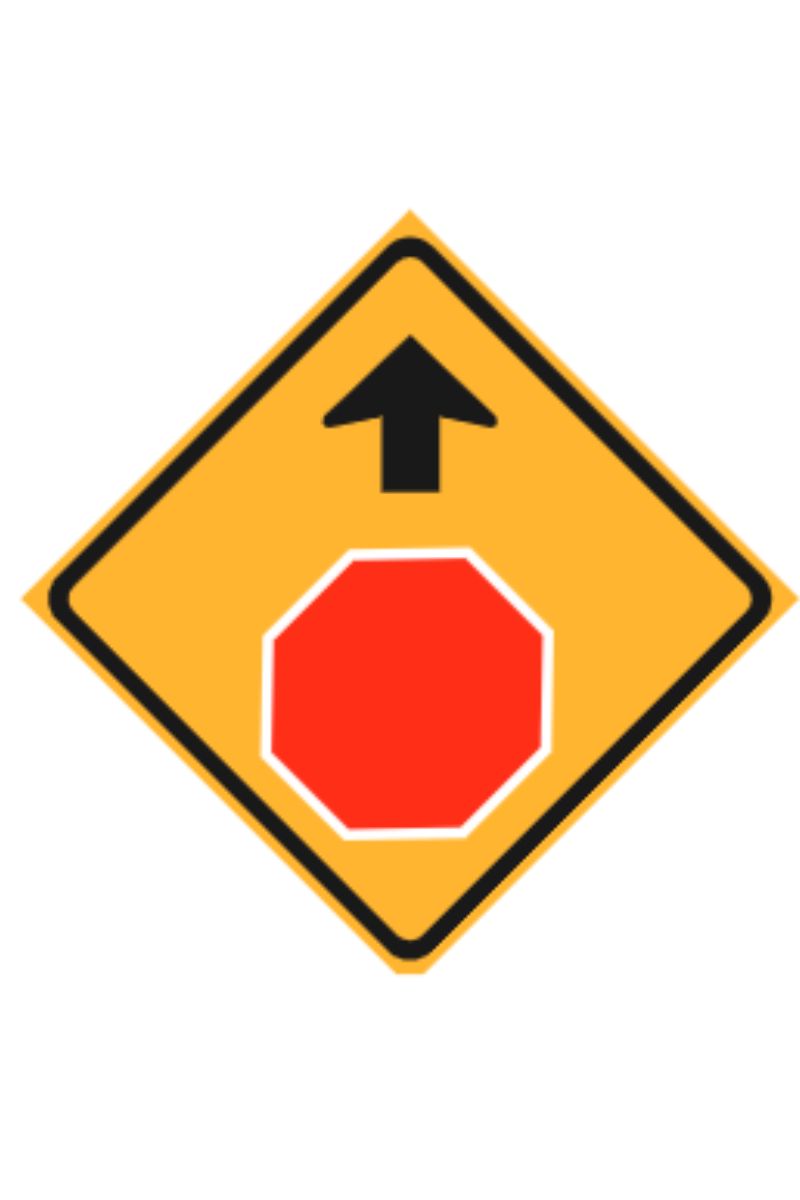
  • Advance warning signage
  • Permanent wayfinding on high-speed roads
  • Long-term roadside infrastructure

Think of a regional highway connecting growing communities. Or a freight route carrying B-doubles day and night. Or a major arterial undergoing safety upgrades. In these environments, signage needs to do more than stand upright. It needs to be designed with impact safety in mind.

Built for Real Road Conditions

High-speed corridors aren’t forgiving. They face open wind exposure, coastal air and salt corrosion, long maintenance intervals, and continuous vibration from heavy traffic.

Frangible sign structures are designed to operate in these environments while still performing safely in an impact scenario.

That balance is important.

Frangible signals are strong enough to endure the elements and engineered to respond differently when struck.

Frangible Signs for High Speed Roads With Trucks

Supporting safer outcomes on state roads

Road safety strategy has evolved. Of course, the ultimate goal is always to prevent crashes, but we also want to reduce harm when crashes do occur.

Frangible sign supports sit within that broader passive safety framework. They don’t change how a sign looks. They don’t change the message drivers read. But they do change how the roadside infrastructure behaves if something goes wrong.

On 100km/h roads, that’s not a small detail. It’s part of responsible infrastructure planning.

If you’re reviewing roadside infrastructure on high-speed corridors or planning future upgrades, the Tranex team can support you with compliant frangible sign support solutions aligned to state road requirements. Contact us today.


Read next: 

5 common mistakes when buying traffic management equipment (and how to avoid them)

Safety signage best practices for safer workplaces and public spaces
Custom safety signs for worksites and public spaces

Safety signage best practices

Safety signage best practices for safer workplaces and public spaces
By blog, News

Following safety signage best practices helps to ensure signs are clear, visible, and easy to understand in everyday use. When signage is done well, it supports safer behaviour without needing constant reminders or intervention.

With over 40 years of experience supplying road and safety signage across Australia and New Zealand, the team at Tranex has a strong understanding of safety standards and what it takes for signage to keep people seen and safe in real conditions. In this post, we will break it all down, sharing our top tips for effective safety sign usage, from design to placement. 

10 safety signage best practices to follow

Let’s dive into the best practices every crew should follow. 

1. Choose the correct type of safety signage

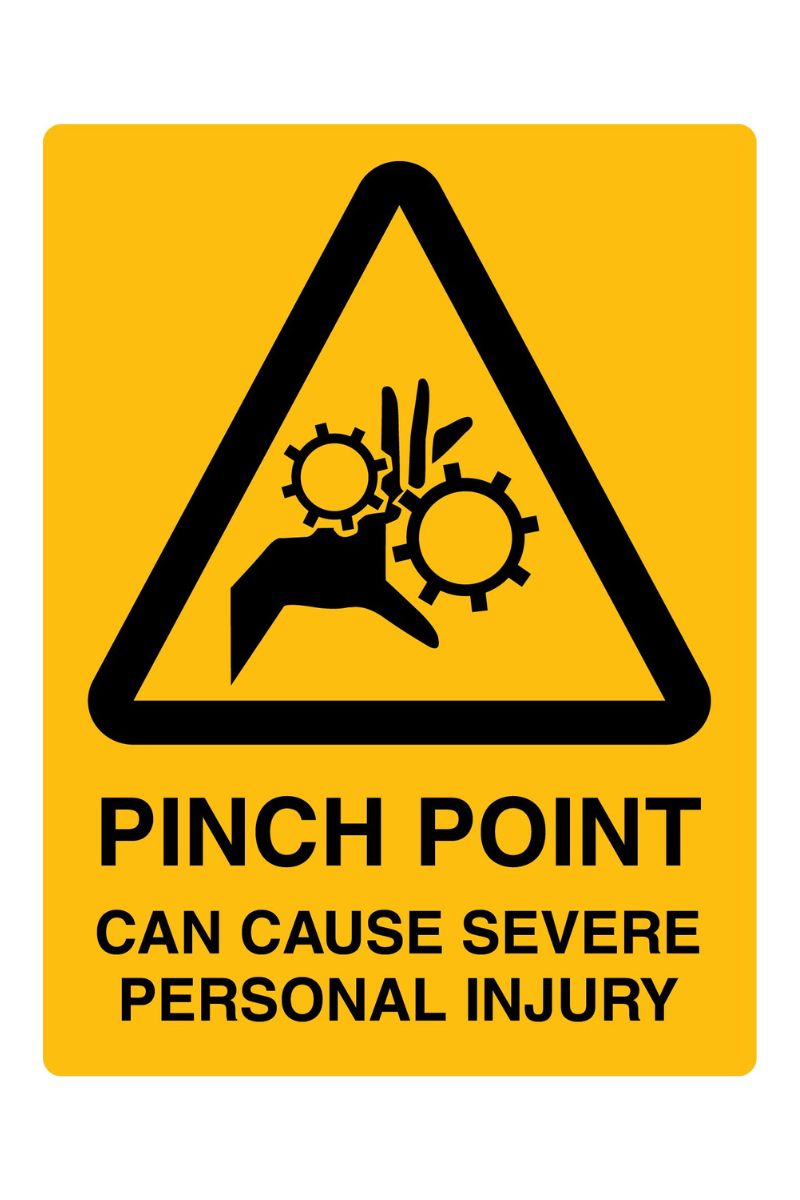
Different safety signs are designed to communicate different messages. Mandatory signs instruct people on what must be done, warning signs highlight hazards, prohibition signs indicate what is not allowed, and information signs provide guidance.

Using the correct sign type ensures the message is immediately recognisable. If in doubt, reach out to the experts for advice. 

2. Keep messaging clear and simple

Safety signage should be understood quickly, often in situations where people are distracted or moving.

Short, direct wording is more effective than long explanations. Supporting text with clear symbols also helps ensure the message is understood by visitors, contractors, or members of the public who may not be familiar with the site.

3. Use recognised colours and symbols consistently

Recognised colours and symbols help people understand the level of risk without reading the sign in full.

For example, consistent use of warning colours across a site helps hazards stand out, while standard shapes and symbols reinforce meaning over time. Consistency is especially important on larger sites or across multiple locations.

4. Make sure signage is visible and easy to read

Visibility depends on more than just the size of the sign. Font size should match the viewing distance, contrast should allow the sign to stand out from its surroundings, and lighting should be considered in low-light or night-time conditions. Outdoor signage also needs to account for weather, dust, and glare.

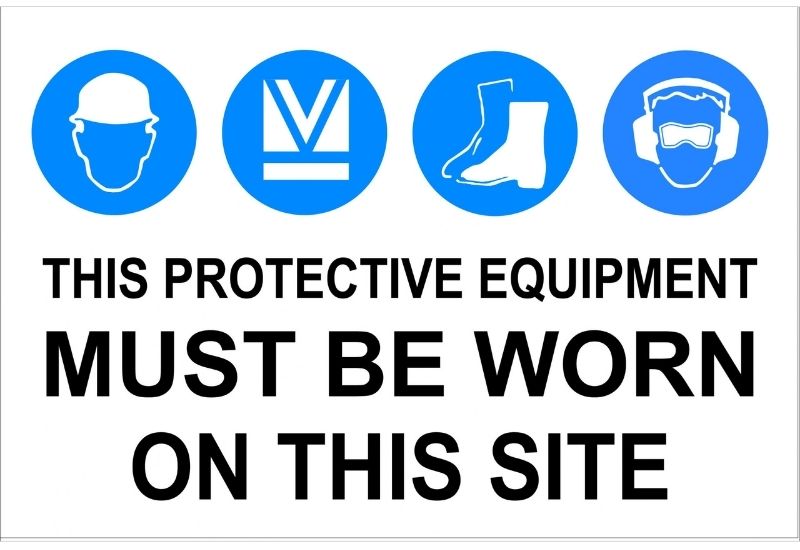
PPE Safety Sign

5. Place signage where decisions are made

Signage should be positioned before a hazard is reached. This might include placing warning signs ahead of a sharp bend, installing pedestrian guidance signage before a crossing point, or displaying mandatory PPE signage at site entry points. The goal is to give people time to adjust their behaviour safely.

6. Avoid overcrowding and visual clutter

Too many signs in one area can make it difficult to identify what’s most important. 

Where multiple messages are required, prioritise the most critical information and remove signs that are no longer relevant. Clear spacing and logical grouping also help signage remain effective.

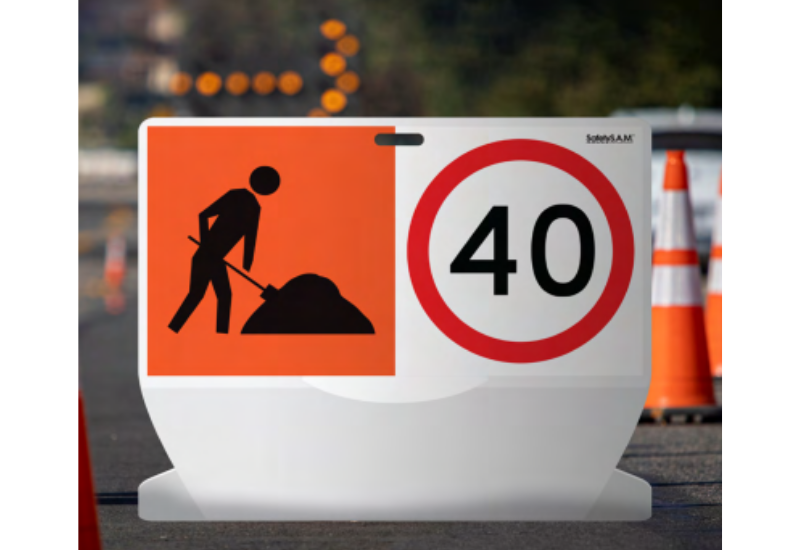
SafetySAM temporary signage

7. Keep signage relevant to the environment

Signage should reflect what’s happening on site at that moment. If traffic patterns change, works move to a new area, or access points are relocated, signage should be reviewed. Temporary signage should be removed when no longer needed to avoid confusion or complacency.

8. Inspect and maintain signage regularly

Regular inspections help identify signs that are fading, damaged, or obstructed.

For example, vegetation growth, parked vehicles, or temporary structures can block signage over time. Routine checks ensure signage remains visible and continues to communicate accurately.

9. Choose materials suited to the conditions

High-traffic areas, roadside locations, and public spaces may require more durable or vandal-resistant materials. Selecting materials designed for the conditions helps signage last longer and reduces the need for frequent replacement.

10. Ensure signage meets Australian standards

Compliance underpins effective safety signage. Signage should align with relevant Australian Standards and state and territory regulations to ensure legal compliance. This is particularly important for road, construction, and public-facing environments.

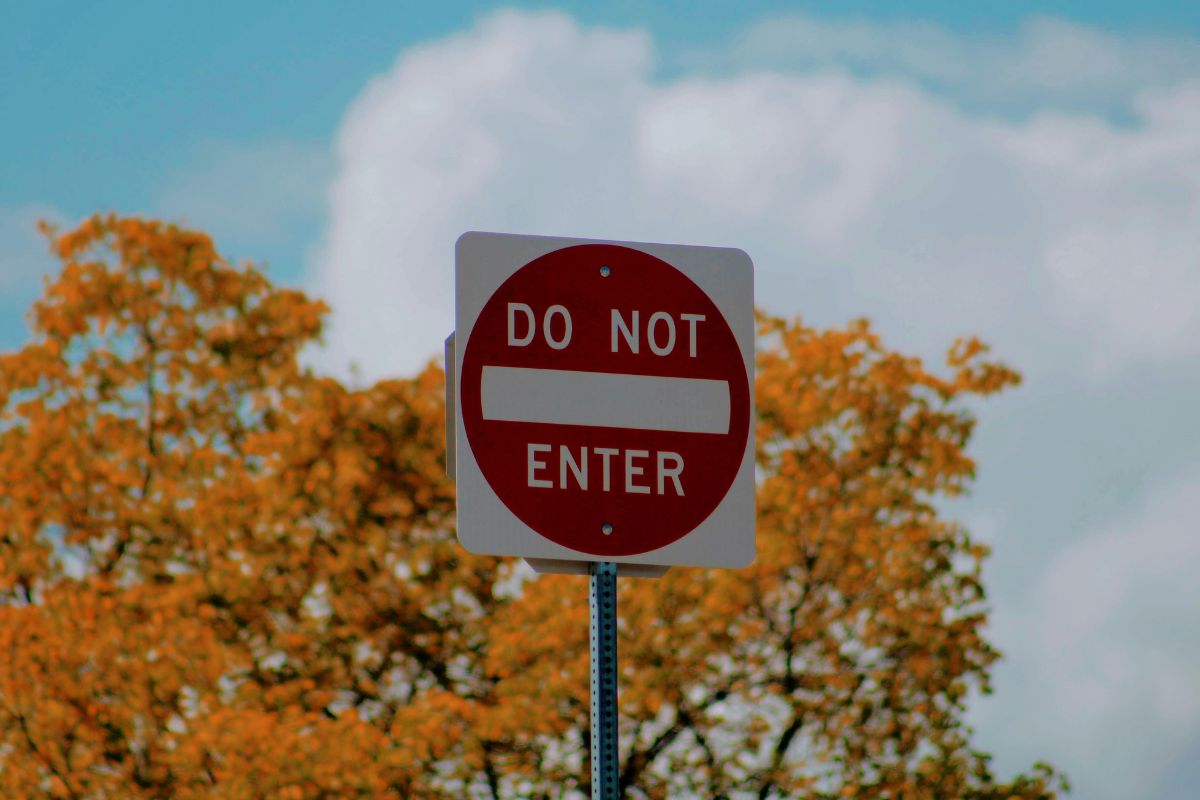
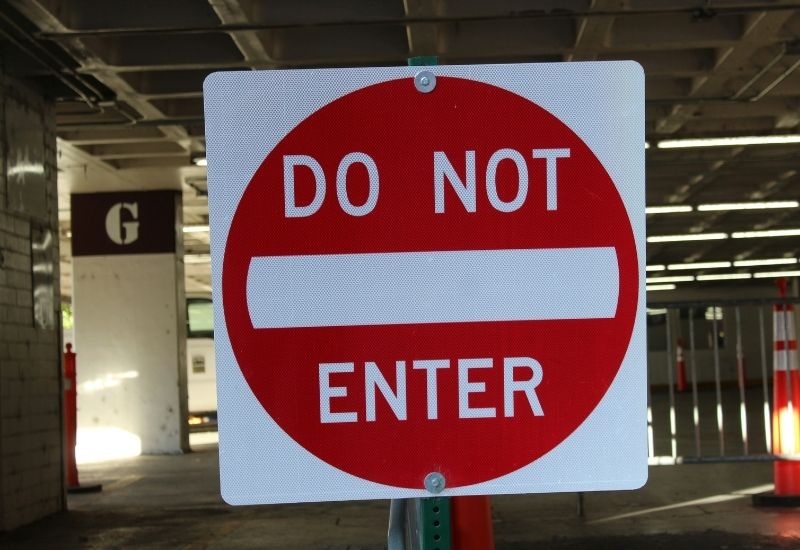
Do Not Enter Safety Sign in Car ParkFinal thoughts

Safety signage best practices are built on clarity, consistency, and attention to detail. When signage is designed for its environment, placed thoughtfully, and maintained over time, it becomes a reliable part of everyday safety.

Applying these best practices helps crews reduce risk, improve compliance, and create safer spaces for workers, visitors, and the wider community.

Need help reviewing or improving your safety signage?

If you’re unsure whether your current signage is doing its job, a fresh set of eyes can make a big difference. From reviewing existing signage and identifying gaps to recommending signage solutions suited to your environment, the team at Tranex can help. Get in touch today. 

Read next:

traffic-control

Transquip joins Tranex authorised dealer network

By blog, News

Tranex Roads & Traffic has partnered with New Zealand traffic control specialist Transquip to bring Tranex’s innovative products to the New Zealand Market.

Transquip is Tranex’s second authorised New Zealand dealer and will provide the NZ traffic control industry with access to Tranex products including the Barrowlight V2 portable traffic lights and the innovative SafetySam stand alone marker.

Tranex General Manager Kurt Carlson said he looked forward to a long and successful partnership with Transquip.

“We are excited to have Transquip come on board as an authorised dealer because they share our commitment to the safety of road users and road crews,” he said.

“Keeping them seen and safe and helping make sure everyone gets home safely is our common purpose.”

Tranex expands into NZ with RTL partnership

By blog, News

Tranex Roads & Traffic has partnered with New Zealand traffic control specialist RTL to bring Tranex’s innovative products to the New Zealand Market.  

RTL is Tranex’s first authorised New Zealand dealer and will provide the NZ traffic control industry with access to Tranex products including the Barrowlight V2 portable traffic lights and the innovative SafetySam stand alone marker. 

Tranex General Manager Kurt Carlson said Tranex was thrilled to have a partner of the calibre of RTL as its first authorised New Zealand dealer.

“RTL is the perfect partner for Tranex because the commitment to the safety of road users and road crews is part of their DNA also,” he said.

“We look forward to a long and successful partnership.”

blogpostimage

Mandatory Project Signing for Federally Funded Projects

By blog, News

Mandatory Project Signing for Federally Funded Projects

The Federal Government has recently announced the 2020-2021 Local Roads and Community Infrastructure Program worth $7.5Billion.

This is great news for the Civil Construction industry and all the related suppliers such as dedicated Road Signage manufactures.

Fine Print: Signs are a MUST!

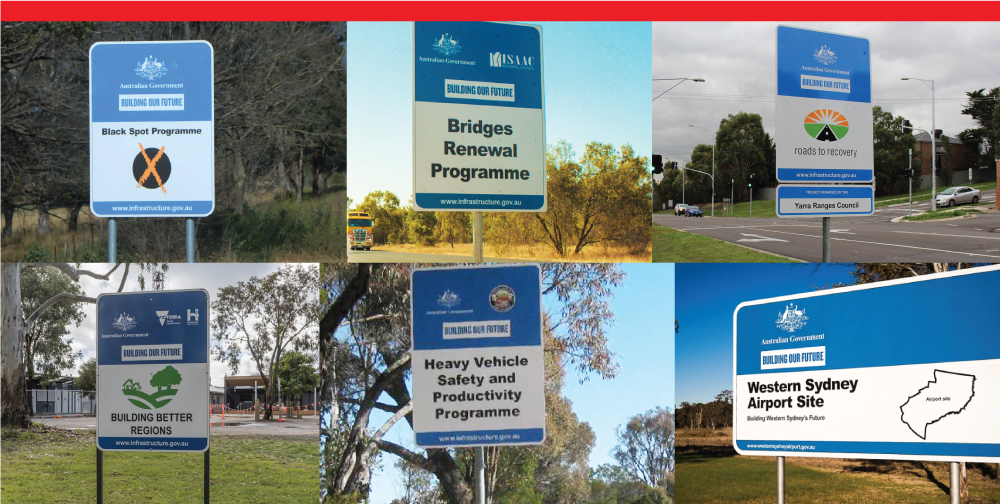
Buried in the fine print, astute engineers would be aware that ALL projects with Federally contributed money MUST have the proscribed “Building Our Future” Project Sign at least at either end of the works down to a project value of $10,000. Projects are subject to audit by the federal government inspectors with correct Project Sign being a critical compliance component.

The Federal Department of Infrastructure Guidelines specify various Project Sign designs, sizes and requirements for different projects which can be quite confusing if you are not across all the aspects of signage and graphics given that the $7.5Billion of infrastructure funding is being rolled out through a large number of stimulus initiatives including, ROADS TO RECOVERY, BLACK SPOT FUNDING, BUILDING OUR FUTURE, COMMUNITY DEVELOPMENT GRANTS, NATIONAL STRONGER REGIONS FUND, HEAVY VEHICLE SAFETY PROGRAM BRIDGES RENEWAL PROGRAM, NATIONAL WATER INFRASTRUCTURE, BUILDING BETTER REGIONS, SMART CITIES PLAN, DROUGHT COMMUNITIES PROGRAM and more.

Tranex Roads have taken a deep dive into the requirements and have a thorough understanding of the process so are able to manage all your proofing and display obligations with the Department.

Tranex Roads & Traffic manufactures road signage right here in your state and we are in close contact with the Department of Infrastructure. We are well organised to manufacture and supply (at short notice) the correct Project Sign as mandated at all Federally and jointly funded projects over $10,000.

Tranex undertake to liaise with the Department of Infrastructure graphics team to ensure your signage (including additional managing Authority branding) complies with the Departments Guidelines at all times). This can often include long-life or engraved Stainless-steel Commemorative Plaques for finished projects as required in some instances.

We can ensure your signage requirements are fully quoted and you have completed artwork and pricing already on file for to assist with federal Audit requirements as they arise.

Please call us on 1300 13 77 54 to take advantage of your FREE PROJECT Sign preview artwork and be surprised by how simple we make the process and how great these signs look (especially with your logo)!

tranexgroup

New Product Now Available

By blog, News

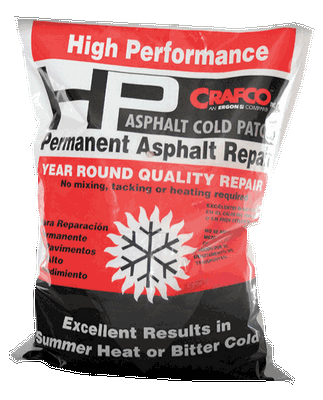
HP Cold Patch

We are now stocking Crafco High Performance Cold Patch, Whether it is repairing utility cuts or patching that reoccurring pothole, HP Asphalt Cold Patch is rapidly becoming the material of choice. HP Asphalt is specifically formulated for the wide-ranging temperature and climate of your area. HP Asphalt Cold Patch comes premixed and ready to use. 23kg per Bag, 60 Bags per Pallet.

Benefits of HP Asphalt Cold Patch:

  • Works in all weather conditions; wet or dry, cold or hot
  • No mixing, mechanical compaction or tacking
  • Adheres to asphalt, concrete or steel
  • Perfect for bridge, drain, utility cuts and cutter work
  • Patch will not release, eliminates milling before re-paving
  • Open to traffic immediately – no raveling or rutting
  • No heating, mixing or tacking required
  • Remains pliable from below-freezing temperatures

Available through TranEx Roads & Traffic – Crafco is the world’s leading manufacturer in quantity and diversity of packaged pavement preservation products for asphalt and concrete such as hot-applied crack sealants, silicone joint sealants, hot-applied mastics, and cold-mix for pavement surface patching and repair. Crafco is the only company to manufacture these types of products and the equipment to apply them.

TranEx road safety Catalogue front page

New 84 Page Product Catalogue

By blog, News

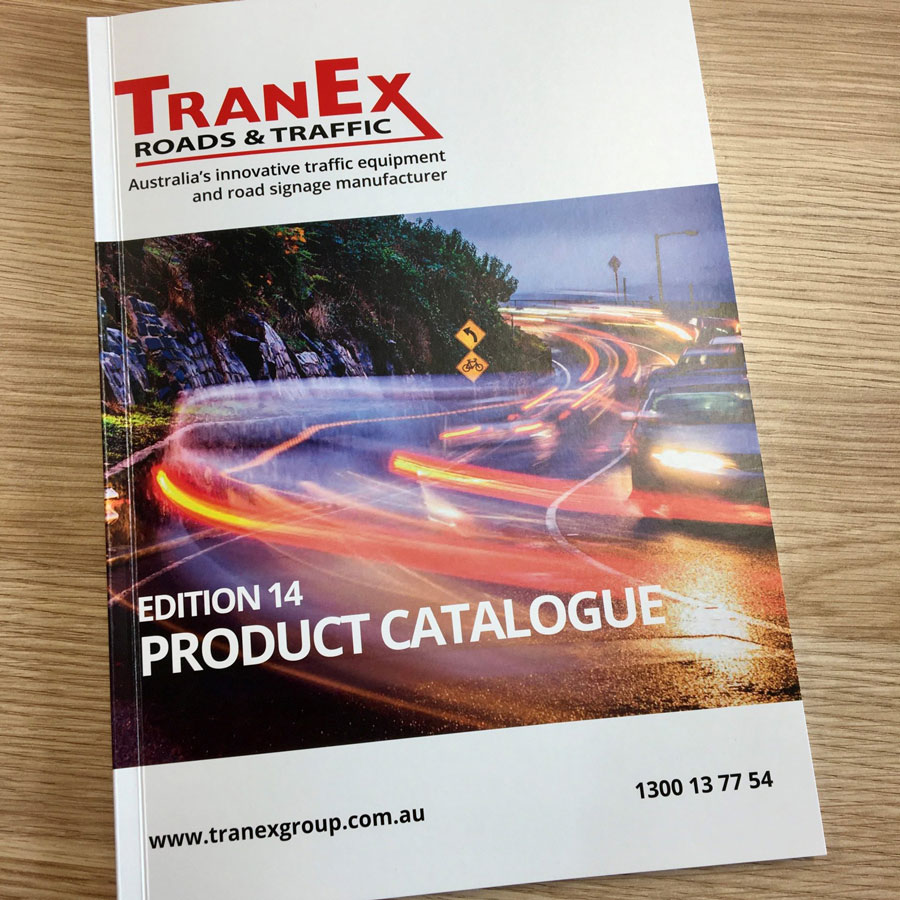
We have just completed our brand-new hard copy 84-page product catalogue with a new crisp clear style and enlarged product code text for ease of viewing.

The 14th Edition of our Product Catalogue includes the customary table of contents page to assist in locating the products as listed in each of the product categories such as; Traffic Control Signage, Sign Frames & Supports, Temporary Barriers & Cones, Road Markers & Asphalting Supplies, Street & Directional Signage, Posts & Brackets and Carpark & Warehouse Safety.

On Page 4 and 5 you’ll find out a bit about us and some good reasons why to choose Tranex Roads and Traffic for your Traffic Products along with our Core Values.

Throughout the new Product Catalogue, you’ll find some new products such as the new revolutionary temporary signage system, Safety Sam from page 20, SafetySAM (Stand Alone Marker) signage system is an integral, all-in-one concept that is made entirely of a new generation, high tech substrate which is practically indestructible and extremely strong. And on page 37 we are now stocking HP High Performance Asphalt Cold Patch, The Year Round, All Season, High Performance Cold Patch.

To receive your own copy of the New Tranex Roads & Traffic Product Catalogue Contact Us or Call 1300 137 754

BarrowLIGHTWEB2

The Advantages of Portable Traffic Lights

By blog, News

Advantages of portable traffic lights. Safety plays an important role in ensuring the success of roadworks. With the combination of heavy machinery, inaccessible roads, and the constant flow of motorists and pedestrians, proper traffic management is needed in order to prevent accidents from occurring. Luckily, there is plenty of available traffic control equipment for sale. These include speed warning signage, roadwork signage, and traffic cones. However, there are other tools which are used to enhance safety measures at these sites.

A set of portable traffic lights offer a convenient solution for traffic management. This mobile lighting system allows roadworks crews to control the traffic at their site without risk to their own safety. Here are some of the other advantages of portable traffic lights offer the road and civil industry.

Better Visibility

These days, instead of incandescent bulbs, most portable traffic lights use LED bulbs. The latter is known for shining brighter than the former which allows for better visibility on roads, especially when there are heavy rains or fog. In addition to their brightness, LED bulbs can be seen from greater distances which give motorists enough time and distance to anticipate the roadworks site. Aside from the visibility these lights offer, they also last longer. This can prove to be useful for roadworks that are expected to go on for long periods of time as there is a decreased risk of your portable traffic lights suddenly going out.

Increased Safety

The main advantage of investing in a set of portable traffic lights is the fact that it increases the safety in your roadworks site. Unlike other traffic management equipment, traffic lights give you better control over the speed and flow of traffic in your area. For sites located in highly populated areas, this is especially helpful in preventing collisions or other types of accidents. Additionally, for roadworks in the countryside, where motorists are more prone to ignore the speed limit, portable traffic lights provide the appropriate reminder to take care on the road.

Fewer Expenses

A set of portable traffic lights is an investment that will allow you to save on expenses in the long run. Its LED bulbs enable you to lower your power bills as these lights consume less electricity and last longer than other bulbs. Aside from this, portable traffic lights allow you to reduce the risk of costly expenses associated with accidents that occur when there are insufficient traffic safety precautions.

Convenient and Reliable

The mobility and portability that portable traffic lights offer gives roadworks crews the convenience that will help them streamline operations. As these lights are easy to set up, your crew spends less time in site preparation and more time on accomplishing their tasks. Moreover, this lighting equipment is designed to be collapsible for quick and easy clean up, transport, and storage.

TranEx Group’s Portable Traffic Lights

With over 35 years of experience in working in the road and civil industry, TranEx Group carries a wide selection of traffic management equipment that is designed to provide Australians with the appropriate safety tools in their projects. We have several types of portable traffic lights, including the Barrow Light. This portable traffic light works on synchronisation to solve problems such as transmission dropouts and distance constraints.

For any enquiries about our wide range of products, call us on 1300 137 754. You can also send your enquiry through https://tranexgroup.com.au//contact/.

roadwork

How to Prevent Traffic Accidents during Your Roadworks

By blog, News

Road safety is a top priority when construction is being carried out along streets and highways. Rules and regulations have been put in place to prevent accidents on and off the construction sites. However, there are little slip-ups that can lead to bigger problems when left unchecked.

Ensuring People’s Safety during Roadworks

When a street or a portion of the highway is being repaired, it will seldom be closed down. This is because to do so would cause disruptions to daily life which can, in turn, affect business operations. In order to avoid this problem, construction workers place temporary barriers around the roadwork area and set up a portable traffic light or multiple message signage to warn motorists and pedestrians of the proper safety precautions to be observed.

These signs preceding the construction site are able to communicate road conditions to not only protect motorists and pedestrians but construction workers as well. Having said that, there are some roadwork signs that have deteriorated in quality over time. It could be that they have become too dirty or the words have faded to the point of being incomprehensible, or even, it could be they have not been placed well. Any of these situations compromise the efficacy of safety signs.

This is because minor damage to these signs can lead to accidents that range from over speeding in a high-risk zone to vehicle collisions between a motorist and the site. While the overall number of road-related deaths in 2018 fell by 4 per cent, the number of driver and pedestrian deaths is still higher than that of the previous year. Although the number has significantly lowered for work-related fatalities in construction, these numbers can still be lowered with the right equipment.

As a trusted name in traffic management solutions, TranEx Group has a variety of road construction signs for sale so that you can warn motorists and pedestrians of your roadwork and ensure the safety of your construction crew.

Using the Rights Signs for Safety

We make sure that all necessary safety equipment is available so that projects can be completed as planned with little to no unnecessary downtime. This means we stock a full range of standard corflute signage, we can always offer fast turnaround times. However we also provide for more specialised requirements.

Our TRAFFICOP provides extra delineation but is incredibly quick to set up. It is designed to to fit over a T-Top Bollard and is excellent for when you need lane closures over a short period of time.

If projects require specific requirement, our inhouse manufacturing can take care of it. We can provide custom corflute signage designed to your specifications.

For over 35 years, we have been working closely with the road and civil industry in order to provide them with the equipment that helps them successfully complete their projects while maintaining optimal safety in the workplace. We will work closely with you to ensure that you receive the best solutions for your requirements.

To learn more about our traffic management solutions, call us on 1300 137 754 to book an appointment. For any inquiries, you can fill up this form: https://tranexgroup.com.au//contact/.