

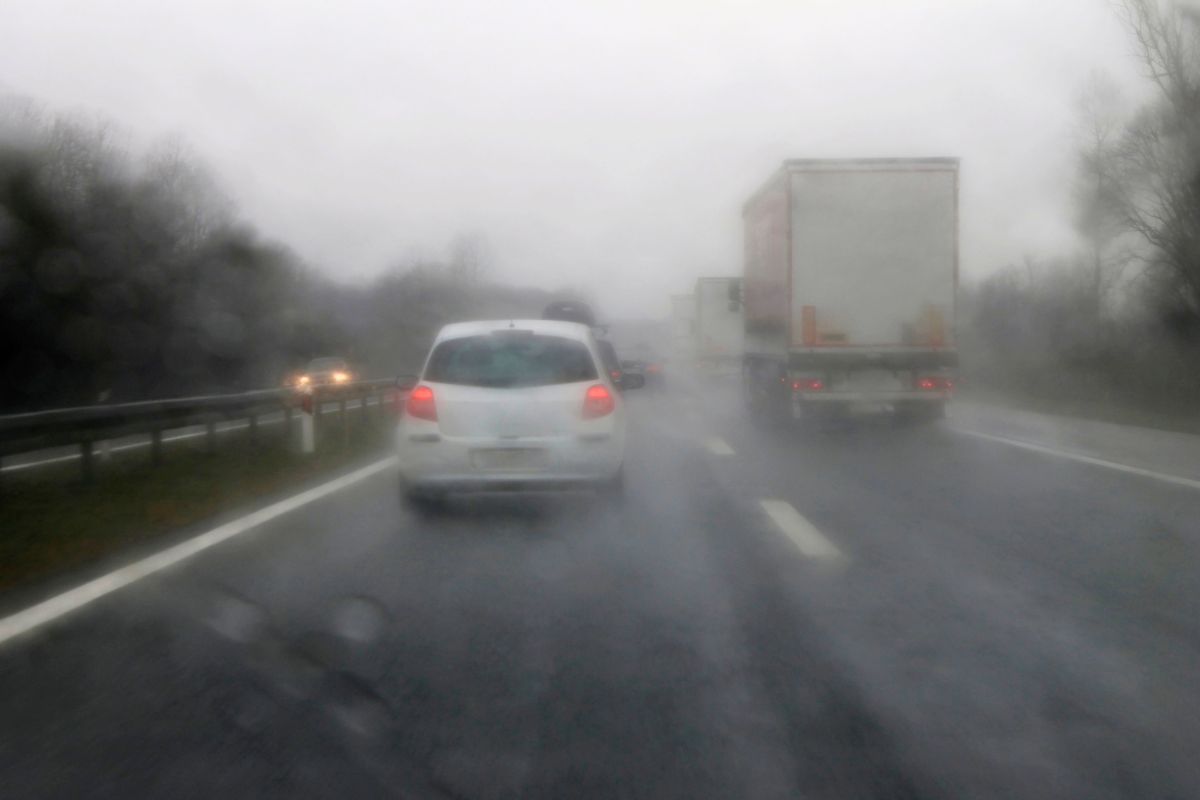
Weather is one of the few factors crews cannot control.
A traffic management plan might look perfect on paper but conditions can change quickly. Rain rolls in. Fog settles over a worksite. The sun drops earlier than expected. Suddenly visibility is reduced and drivers have less time to react.
As we head into winter, these challenges become more common across Australia. While every season brings its own considerations, winter places greater emphasis on visibility and equipment reliability.
The good news is that the right traffic management equipment can help keep workers and road users seen and safe no matter what the weather is doing.
How weather conditions affect road users
Weather changes more than road conditions. It changes how people drive, how quickly they react, and how clearly they can understand what is happening around them. It also impacts crews on site.
| Condition | What changes on the road | Practical traffic management response |
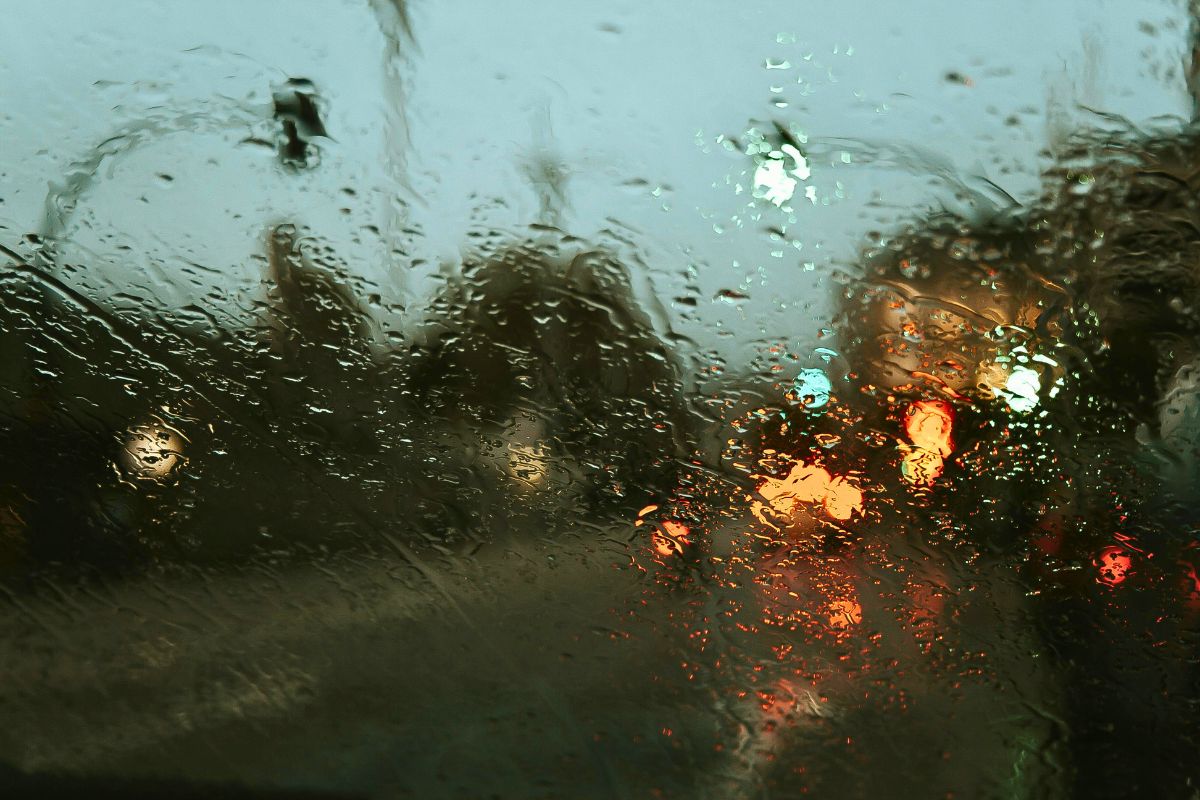
| Rain | Wet roads increase stopping distances and signage becomes harder to see through spray and glare |
|
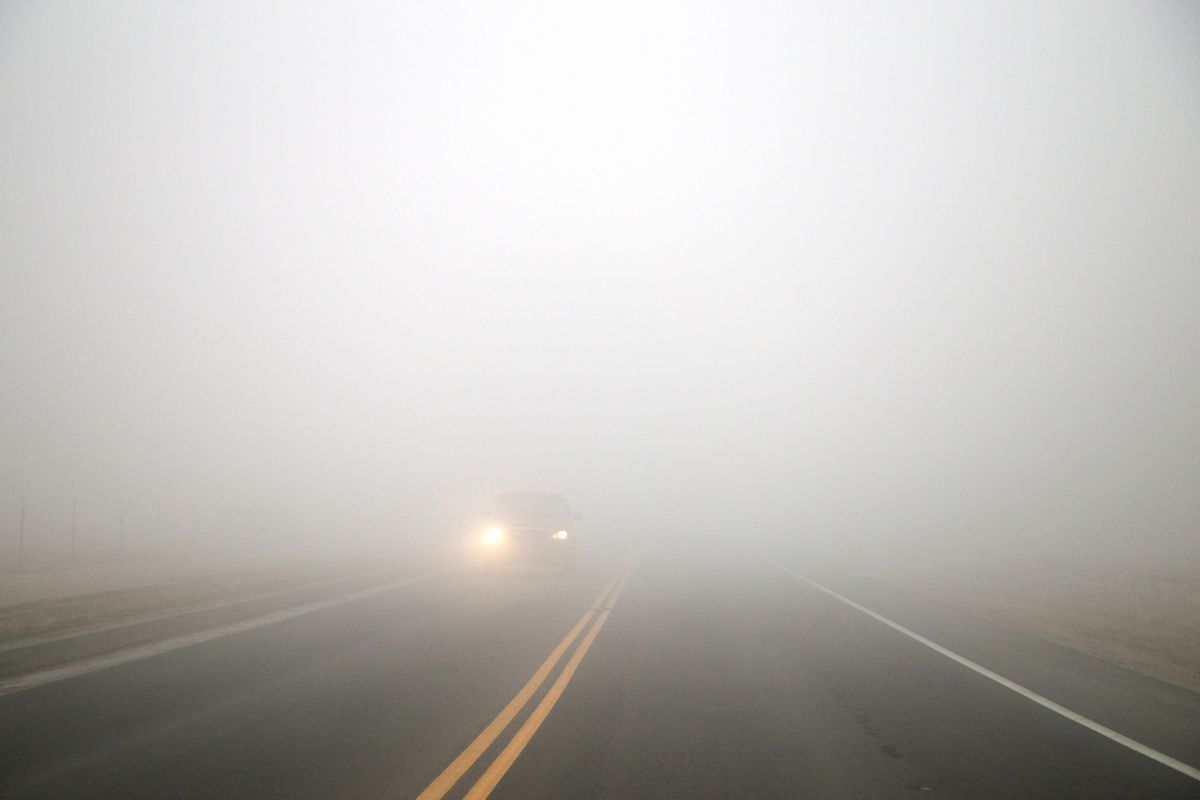
| Fog | Drivers may only see hazards once they are much closer to the site. Lane changes, road edges and temporary layouts can become harder to understand. |
|
| Wind | Temporary signs, cones and lightweight equipment can shift if conditions pick up. Blowing debris can also be a hazard to crews. | |
| Low light | Early starts, late finishes and overcast days reduce the distance at which drivers can identify hazards. |
|
| Snow and ice | Road edges, markings and hazards can become harder to identify. In some areas, snow cover can make the road corridor less obvious. |
|
| Extreme heat | Heat can increase fatigue, dehydration and glare for workers and drivers. Equipment, signs and road surfaces can also become hot to handle. |
|
Winter brings additional challenges for traffic management
While weather affects traffic management year round, winter often combines several challenges at once.
- Shorter daylight hours
- Increased rainfall
- More frequent fog
- Longer periods of low light
- Reduced visibility during peak travel times
Rather than creating entirely new hazards, winter amplifies existing ones. Drivers have less time to identify hazards, changing traffic conditions and temporary traffic management layouts.
This places greater reliance on traffic control equipment that remains visible and effective when conditions are less than ideal.
Chat to the Tranex team today to ensure your crew is prepared.
 Planning ahead for bad weather
Safe traffic management in poor weather is not just about reacting once conditions change. A bit of planning can make a big difference on site.
Before bad weather sets in, crews should consider:
- Checking the forecast before and during the shift
- Reviewing whether signs and devices are visible in the conditions
- Ensuring signs, stands and temporary devices are properly weighted
- Having wet weather PPE, shelter or vehicle access available for workers
- Preparing a clear plan for storms, lightning or unsafe conditions
- Checking equipment after weather changes, not just during the initial setup
When the weather turns, the safest sites are usually the ones that have already thought through what could change.
 Staying seen and safe
Weather will always influence how traffic management sites operate.
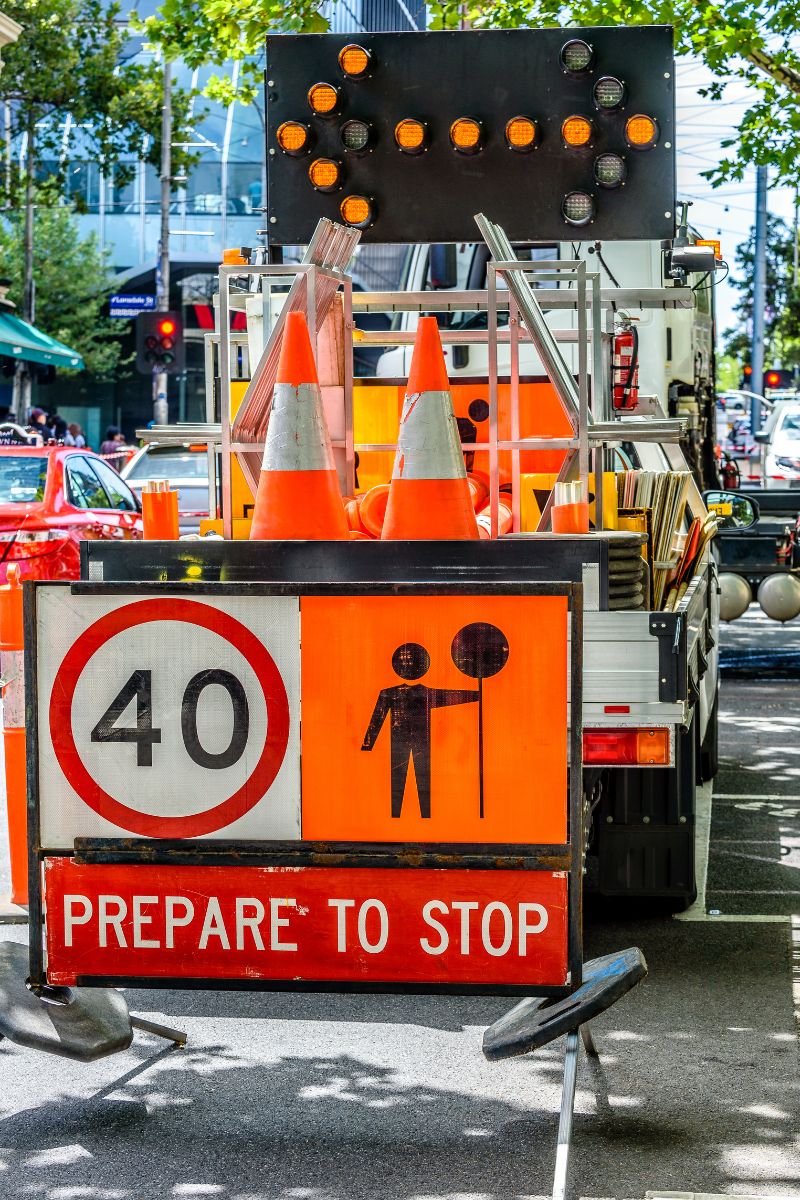
From reflective signage helping drivers navigate through fading light to guideposts defining road corridors in challenging conditions, every element plays a role in improving visibility and road safety.
As winter approaches, it is worth reviewing the equipment, signage and systems in place to ensure they are ready for the conditions ahead.
Because no matter what the weather is doing, the goal remains the same.
Keeping workers and road users seen and safe.
Keep reading
Guide posts for roadworks: choosing the right solution for Australian conditions
Frangible sign structures for high-speed roads: why they matter on state and government projects
Safety signage best practices for safer workplaces and public spaces