

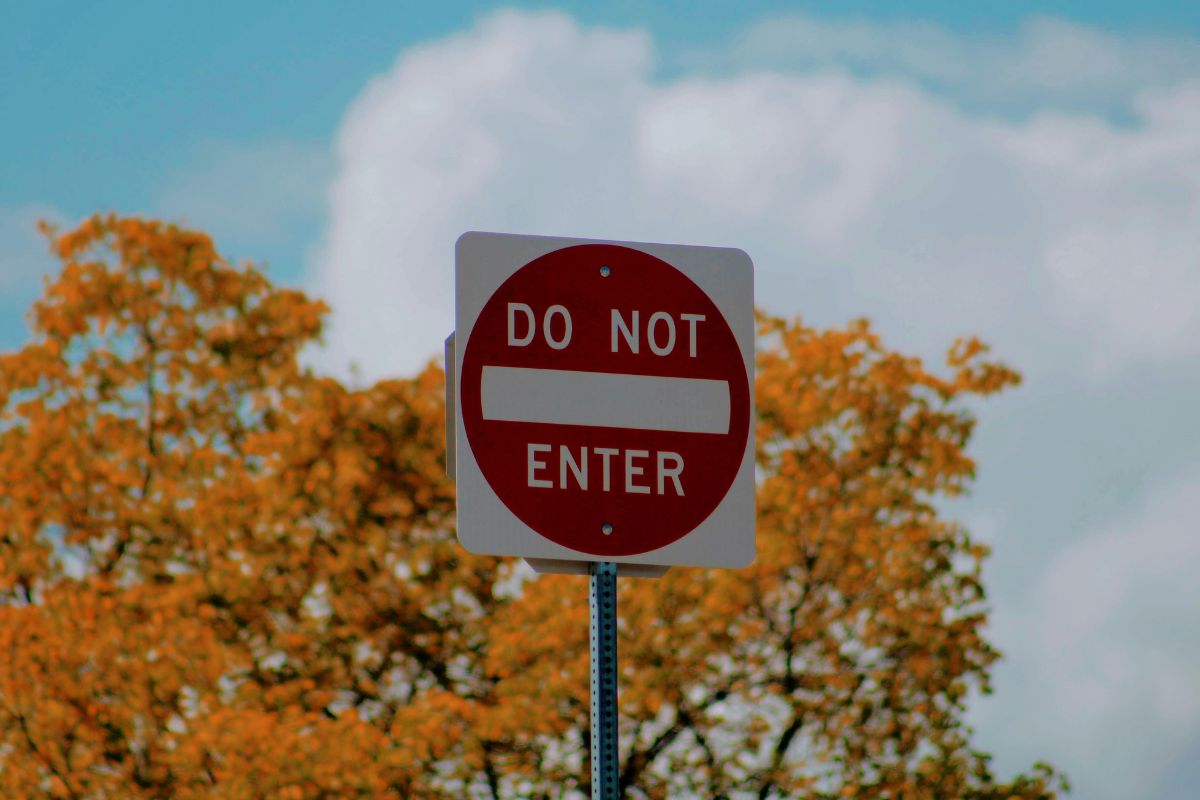
Following safety signage best practices helps to ensure signs are clear, visible, and easy to understand in everyday use. When signage is done well, it supports safer behaviour without needing constant reminders or intervention.
With over 40 years of experience supplying road and safety signage across Australia and New Zealand, the team at Tranex has a strong understanding of safety standards and what it takes for signage to keep people seen and safe in real conditions. In this post, we will break it all down, sharing our top tips for effective safety sign usage, from design to placement.
10 safety signage best practices to follow
Let’s dive into the best practices every crew should follow.
1. Choose the correct type of safety signage
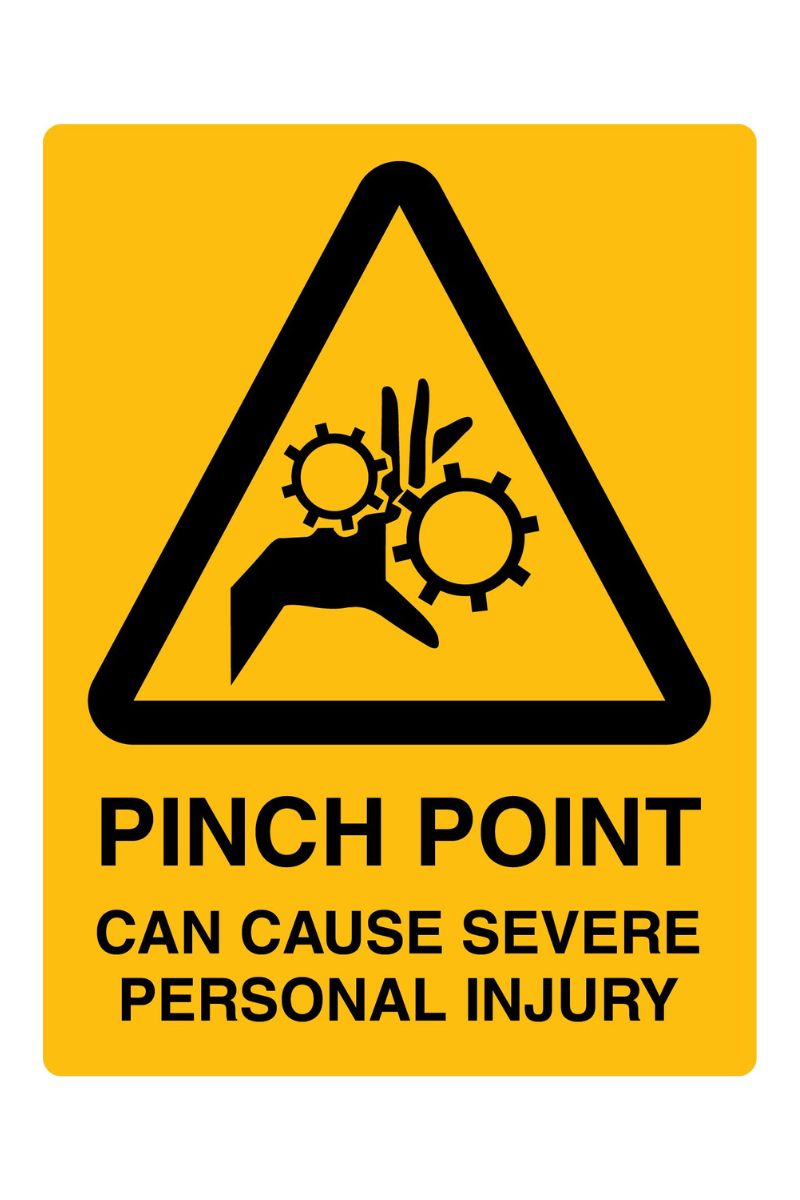
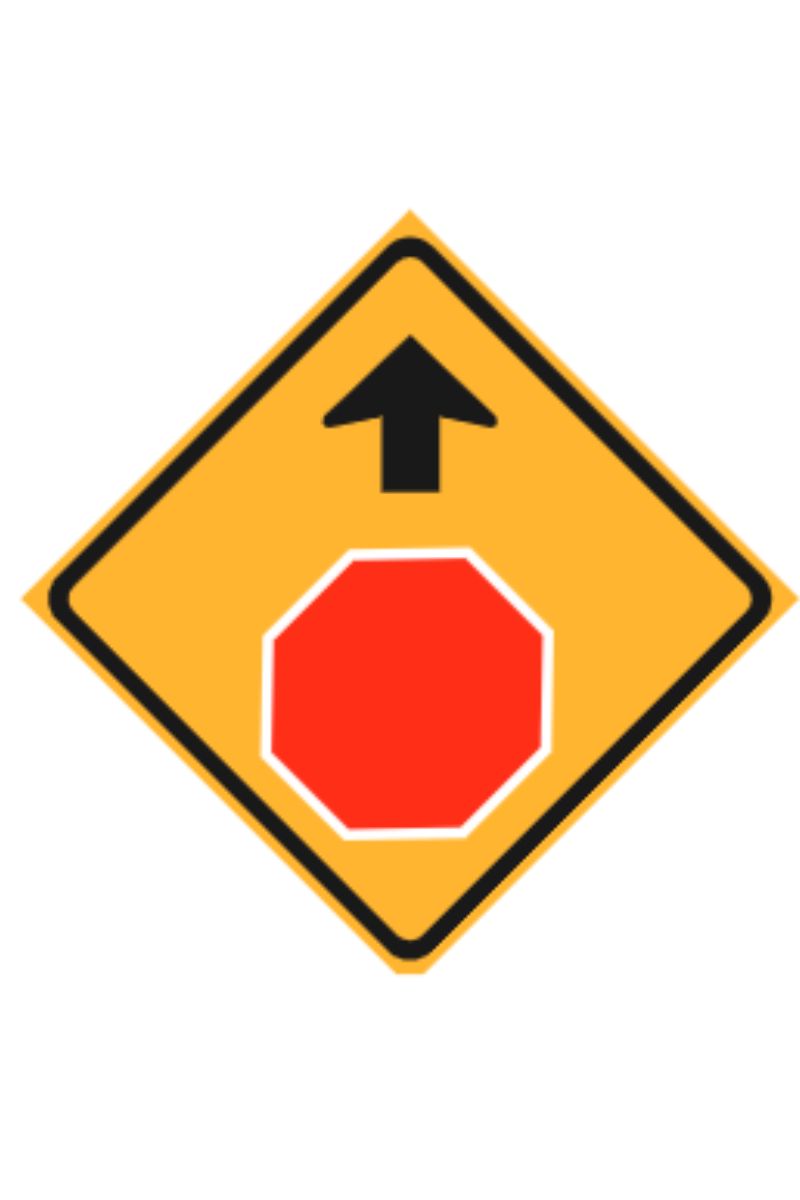
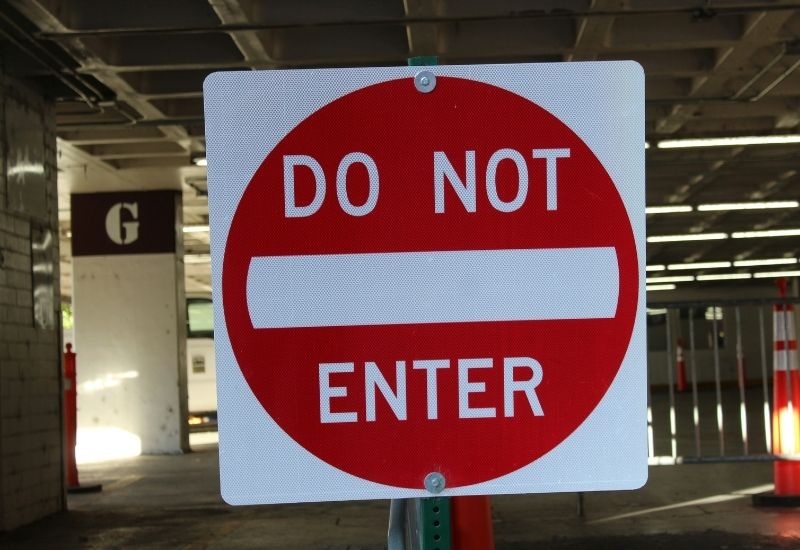
Different safety signs are designed to communicate different messages. Mandatory signs instruct people on what must be done, warning signs highlight hazards, prohibition signs indicate what is not allowed, and information signs provide guidance.
Using the correct sign type ensures the message is immediately recognisable. If in doubt, reach out to the experts for advice.
2. Keep messaging clear and simple
Safety signage should be understood quickly, often in situations where people are distracted or moving.
Short, direct wording is more effective than long explanations. Supporting text with clear symbols also helps ensure the message is understood by visitors, contractors, or members of the public who may not be familiar with the site.
3. Use recognised colours and symbols consistently
Recognised colours and symbols help people understand the level of risk without reading the sign in full.
For example, consistent use of warning colours across a site helps hazards stand out, while standard shapes and symbols reinforce meaning over time. Consistency is especially important on larger sites or across multiple locations.
4. Make sure signage is visible and easy to read
Visibility depends on more than just the size of the sign. Font size should match the viewing distance, contrast should allow the sign to stand out from its surroundings, and lighting should be considered in low-light or night-time conditions. Outdoor signage also needs to account for weather, dust, and glare.
5. Place signage where decisions are made
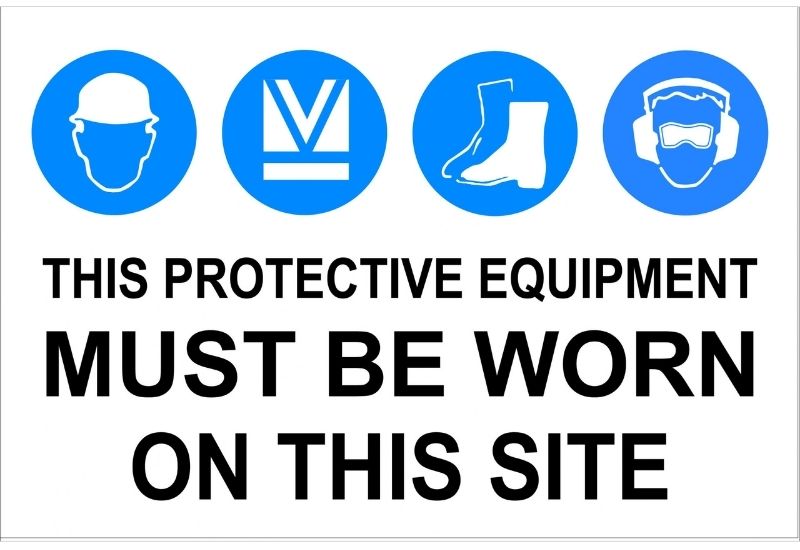
Signage should be positioned before a hazard is reached. This might include placing warning signs ahead of a sharp bend, installing pedestrian guidance signage before a crossing point, or displaying mandatory PPE signage at site entry points. The goal is to give people time to adjust their behaviour safely.
6. Avoid overcrowding and visual clutter
Too many signs in one area can make it difficult to identify what’s most important.
Where multiple messages are required, prioritise the most critical information and remove signs that are no longer relevant. Clear spacing and logical grouping also help signage remain effective.
7. Keep signage relevant to the environment
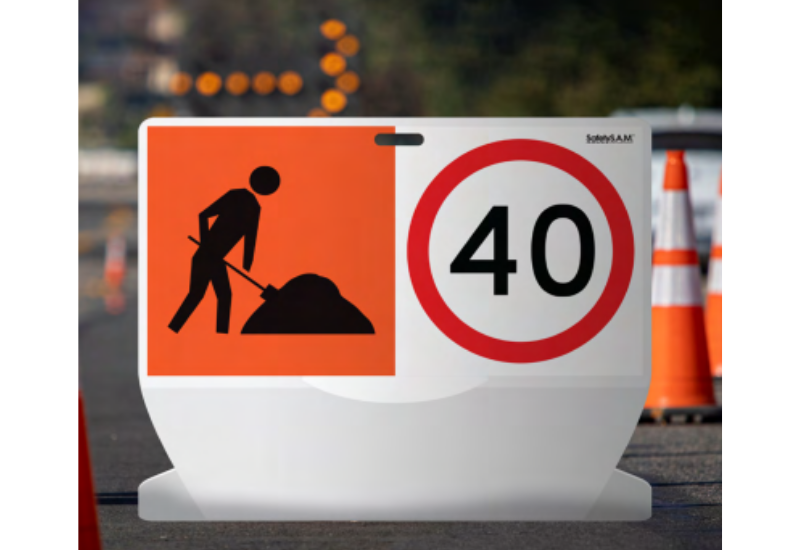
Signage should reflect what’s happening on site at that moment. If traffic patterns change, works move to a new area, or access points are relocated, signage should be reviewed. Temporary signage should be removed when no longer needed to avoid confusion or complacency.
8. Inspect and maintain signage regularly
Regular inspections help identify signs that are fading, damaged, or obstructed.
For example, vegetation growth, parked vehicles, or temporary structures can block signage over time. Routine checks ensure signage remains visible and continues to communicate accurately.
9. Choose materials suited to the conditions
High-traffic areas, roadside locations, and public spaces may require more durable or vandal-resistant materials. Selecting materials designed for the conditions helps signage last longer and reduces the need for frequent replacement.
10. Ensure signage meets Australian standards
Compliance underpins effective safety signage. Signage should align with relevant Australian Standards and state and territory regulations to ensure legal compliance. This is particularly important for road, construction, and public-facing environments.
 Final thoughts
Safety signage best practices are built on clarity, consistency, and attention to detail. When signage is designed for its environment, placed thoughtfully, and maintained over time, it becomes a reliable part of everyday safety.
Applying these best practices helps crews reduce risk, improve compliance, and create safer spaces for workers, visitors, and the wider community.
Need help reviewing or improving your safety signage?
If you’re unsure whether your current signage is doing its job, a fresh set of eyes can make a big difference. From reviewing existing signage and identifying gaps to recommending signage solutions suited to your environment, the team at Tranex can help. Get in touch today.