

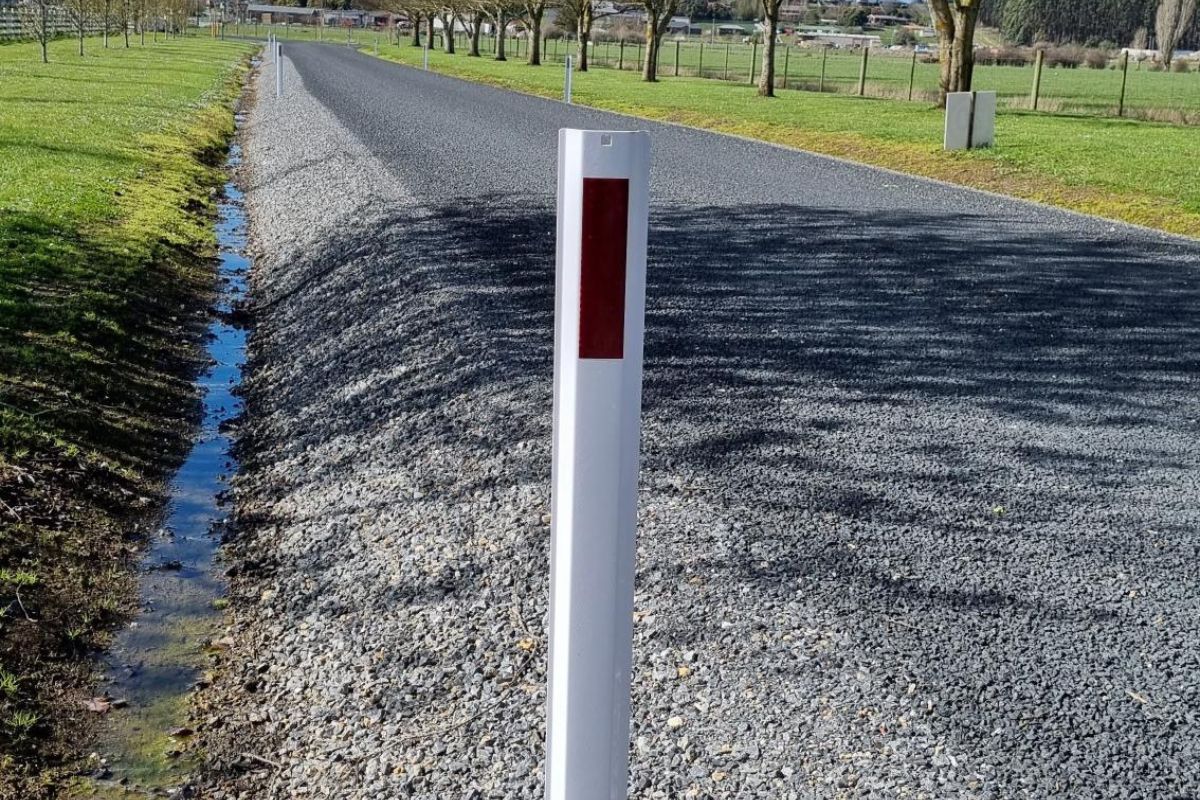
Guide posts for roadworks do a quiet but important job. They define the road edge and help drivers navigate through unfamiliar conditions while keeping crews safe. During roadworks, especially, the right guide post can mean the difference between a driver feeling confident and one who isn’t quite sure where the road ends.
Across Australia, road conditions vary significantly. Busy regional highways and alpine environments that see genuine snowfall both demand something a little different from the same product. Getting the right post sorted early in the planning process means fewer headaches down the track and better outcomes for everyone, from the construction crew to the commuter who drives through at midnight.
Why guide posts matter in roadworks
When roadworks change a familiar route, drivers lose their usual reference points. Shifted lanes and temporary conditions create real uncertainty, particularly where lighting is limited or the layout feels unfamiliar. Guide posts bring back that sense of clarity. They tell drivers where the road is going, even when everything else looks a bit different.
On rural roads, this becomes even more critical. There are no street lights and often no second chances if a driver misjudges the edge. A well placed, clearly visible guide post in heavy rain or on a moonless night can prevent an accident. They also help maintenance teams locate infrastructure quickly, which reduces disruption and keeps projects running efficiently.
-
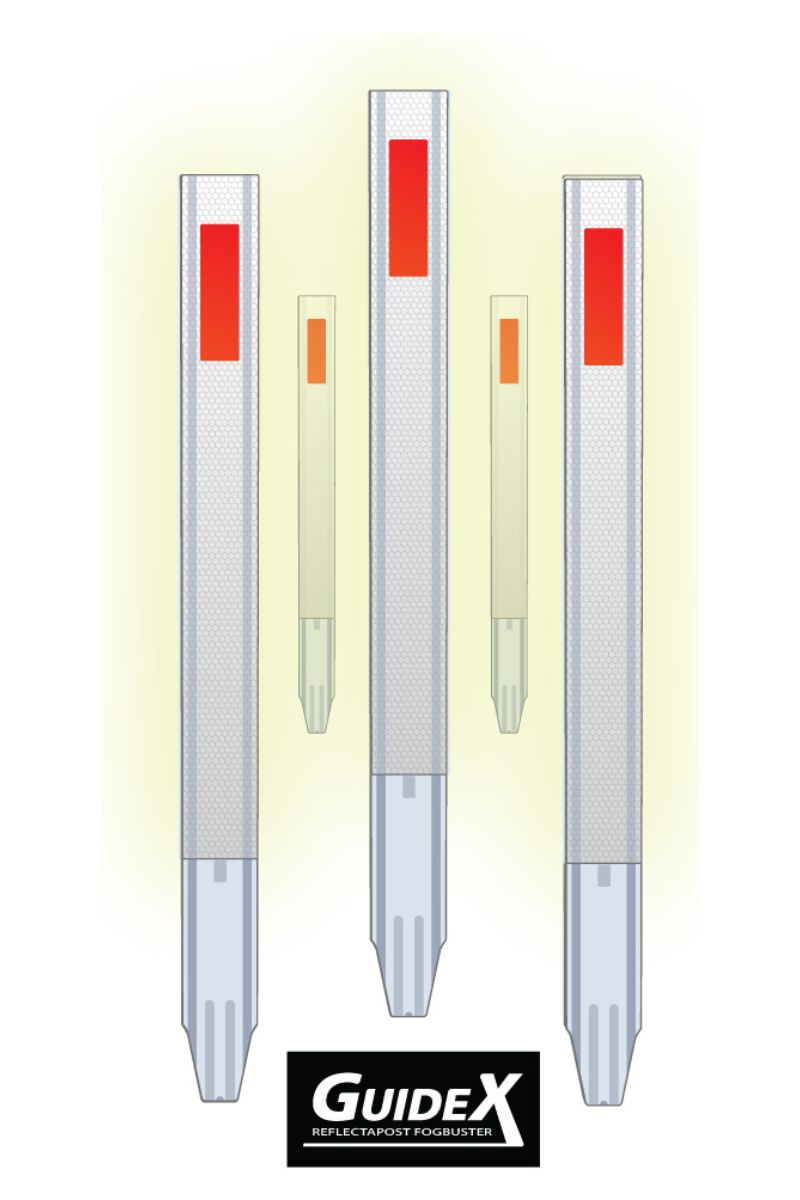
- GuideX FogBUSTER
-
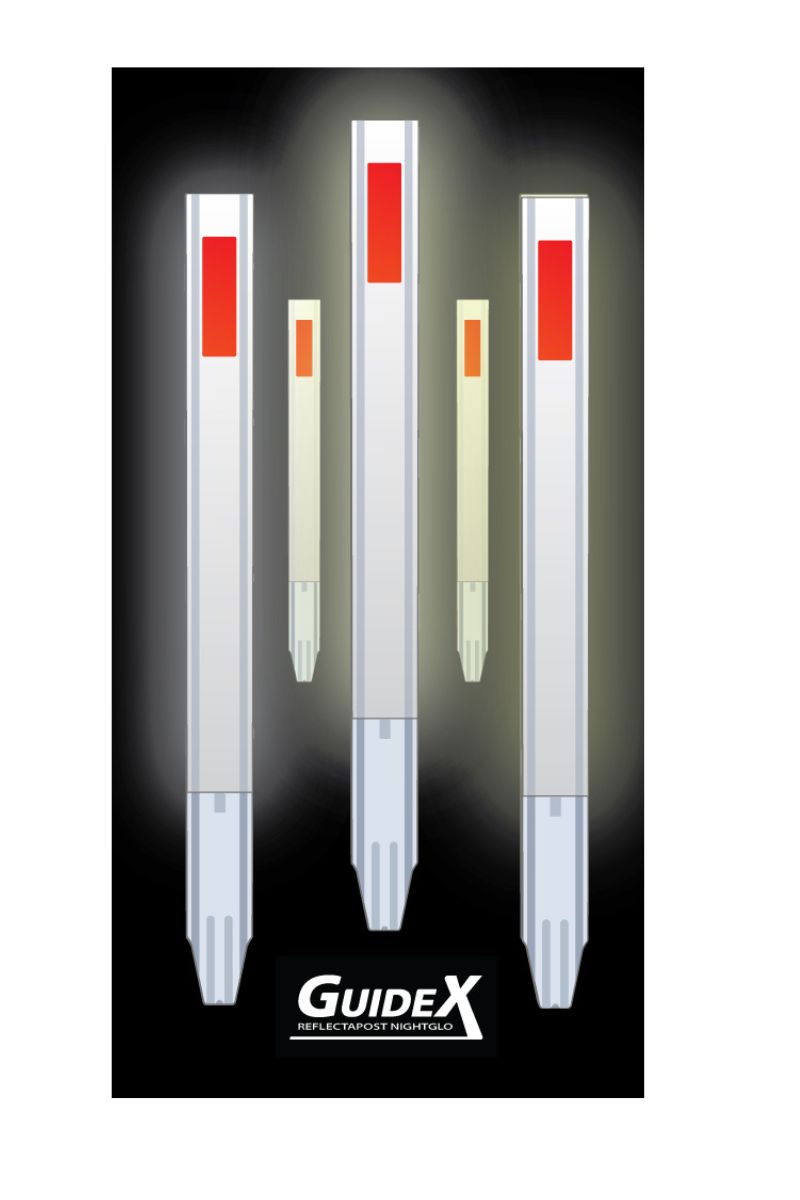
- GuideX NightGLO
Manufactured in house for consistent quality
There is a meaningful difference between guide posts that are manufactured in house and those that are not. In house production gives manufacturers direct control over materials and quality, which means posts can be built to actually suit Australian conditions rather than simply meeting a minimum standard on paper.
It also creates room to adapt. Some sites need posts that are taller or mounted differently based on terrain or that have greater visibility for low light or snowy conditions. Having that flexibility means the final product is genuinely fit for purpose. And when a project is running to a tight deadline, reliable lead times matter just as much as the product itself.
Features across our range of guide posts for roadworks
With every product manufactured in house, the Tranex guide post range is built to perform across the full range of Australian conditions.
- Anti-wind design built to stay in place
- High-gloss, self-cleaning surface that resists dust and moss build-up, reducing maintenance over the life of the post
- High reflectivity for clear visibility, through our patented fully reflectorised technology engineered to perform in fog, rain and low light conditions
- UV stabilised, which holds up against the intensity of the Australian sun
- Available in uPVC and steel to suit the installation environment and project specification
- High tensile strength that allows the post to be easily driven into the hardest road base using the unique Guidepost Slammer Tool
- Purpose-built options across the range for work zones, service marking and asset identification
-
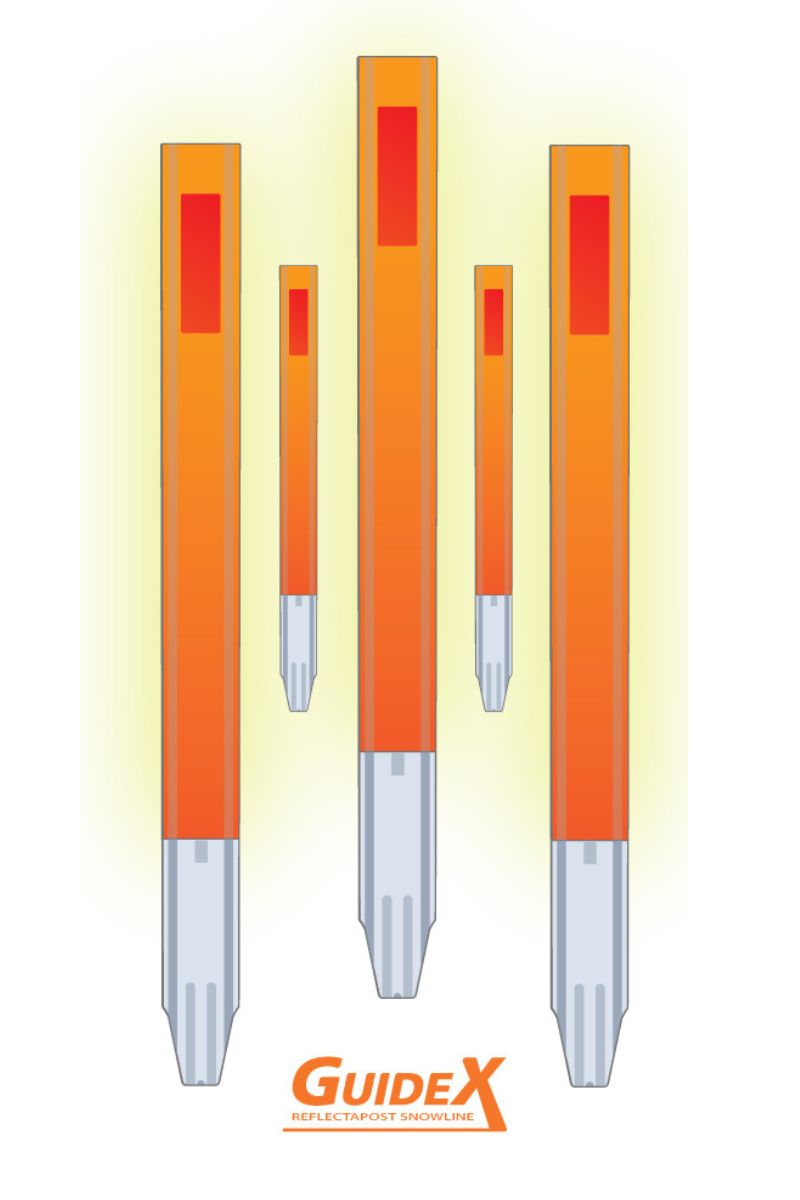
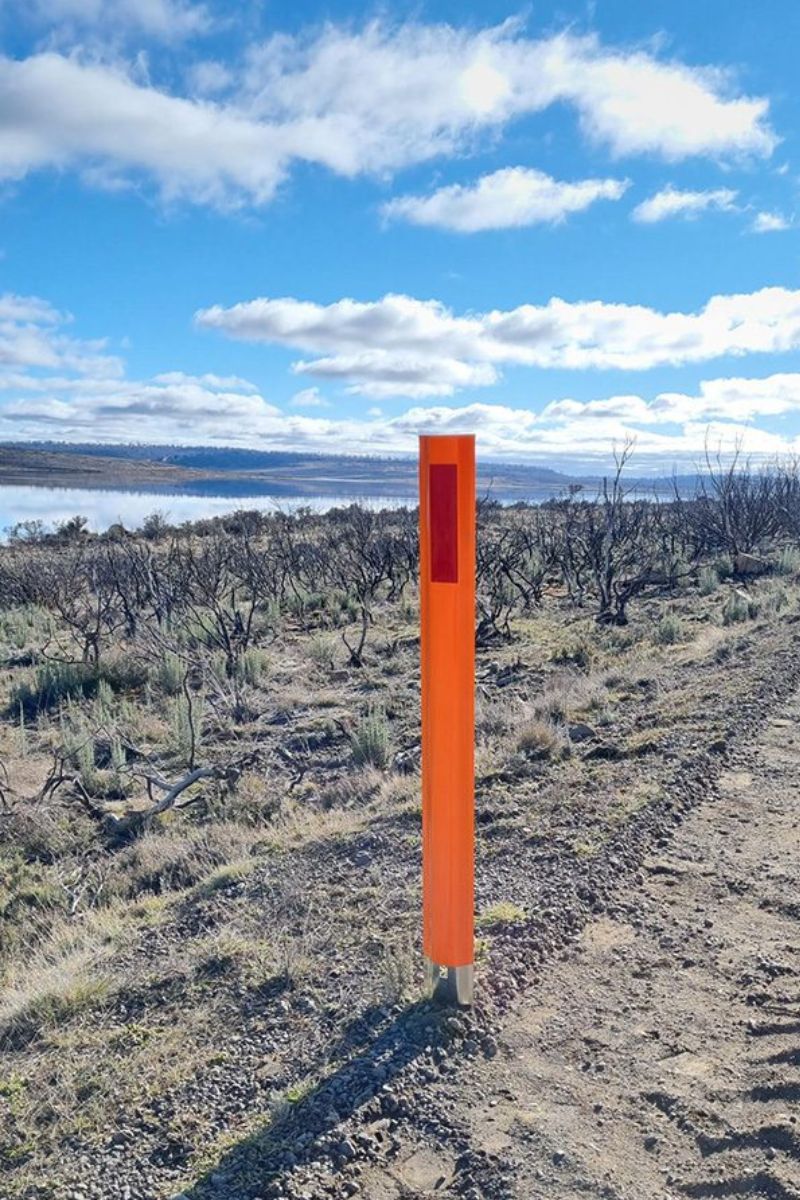
- GuideX SnowLINE
Planning for winter and snow conditions
Alpine roads and colder climates present their own challenges. Snow can obscure a standard post entirely, and when you combine that with shortened daylight hours, navigation on a regional road becomes genuinely difficult.
This is exactly the problem our SnowLINE guide post was designed to solve. Built specifically for snowy areas, it delivers up to 20 times the visibility of standard markers through fully reflectorised fluorescent orange sheeting across the entire surface. The mistake many project teams make is treating winter conditions as something to sort out later. Factor it in at the beginning and the road stays clearly defined all year round.
Compliance with Australian Standards
Australian Standards exist for good reason. They create consistency across the network so that roads feel predictable and readable for drivers everywhere. When guide posts meet reflectivity and durability requirements, they hold up over time regardless of weather or wear. And most importantly, they exist to keep both drivers and crews seen and safe.
Planning for compliance from the start avoids the frustration of replacing non compliant products mid project. It keeps things moving and reduces the kind of unexpected costs that nobody budgets for but everyone ends up dealing with.
Getting it right from the start
Guide posts support safety and consistency across an enormous range of conditions. Choosing the right solution means drivers can read the road clearly and infrastructure teams can do their work without unnecessary complications or safety risks.
That kind of outcome does not happen by accident. Tranex has spent over 40 years working alongside independent contractors, local governments and civil construction teams across Australia and New Zealand. That experience shapes how every product is made and what it is made to do. It also means the team understands what compliance actually looks like in practice, not just on paper, because every product aligns with national codes and state and territory regulations. Quality is backed by ISO 9001 certification, which sets a clear benchmark for durability and effectiveness. These are not credentials collected for appearances. They reflect a genuine commitment to doing things properly.
Guide posts for roadworks are a small part of the picture that carries a lot of weight. Working with a supplier who understands Australian conditions, meets the relevant standards and has the experience to back it up makes that part of the job a lot simpler.
Explore Tranex’s guide post range here.
Read Next
Frangible sign structures for high-speed roads: why they matter on state and government projects
5 common mistakes when buying traffic management equipment (and how to avoid them)
Safety signage best practices for safer workplaces and public spaces